5 HVACR Trends Spotted Across the AHR Expo Floor
Key Highlights
- Heat pump innovations, including inverter and cold climate models, are driving the shift toward electrification in residential and commercial applications.
- Dual-fuel systems are gaining prominence, offering flexible heating solutions that optimize energy use based on outdoor conditions.
- Data center cooling solutions are evolving rapidly, with high-efficiency, water-saving chillers and AI-driven platforms enhancing performance and sustainability.
- Smart digital platforms like Trane Cloud and Samsung SmartThings Pro are transforming building management through AI, remote diagnostics, and real-time monitoring.
- Refrigeration technologies are advancing with low-GWP refrigerants and innovative units designed for compliance, efficiency, and reduced environmental impact.
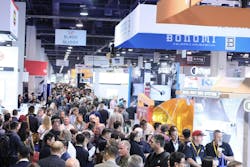
The 2026 AHR Expo show floor made one thing clear: HVACR innovation is accelerating in response to shifting energy priorities, emerging markets, and smarter building demands. From the continued push toward electrification and next-generation heat pumps to the growing role of dual-fuel systems in transitional applications, manufacturers showcased solutions built for efficiency and flexibility. 53,315 professionals – including engineers,
sales channel partners, owners, contractors, installers, and more – came together to experience the latest offering from 1,956 exhibitors over 578,980 square feet of show floor. Here are five key trends contractors should know from the industry’s biggest show.
Heat Pumps Proved Electrification Isn’t Slowing Down
The continued surge of heat pump innovation on the show floor signaled that the industry’s shift toward electrified heating is only gaining momentum.
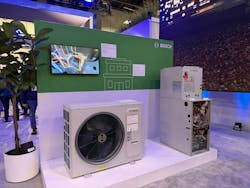
Bosch Home Comfort Group highlighted its Inverter Ducted Split Edge Heat Pump, a new compact outdoor solution in the Inverter Ducted Split (IDS) Family product line. Built on inverter and VRF-based technology, the IDS Edge is a compact, flexible, and efficient solution for both residential single-zone and multi-zone applications and will be available in both standard and high-performance versions. The product features up to 19 SEER2 and 10.8 HSPF2, cold-climate capable inverter operation, ducted and wall-mounted indoor options, quiet operation as low as 57 dB(A), dual fuel compatible with AHRI-rated coil, and is retrofit-friendly with existing line sets.
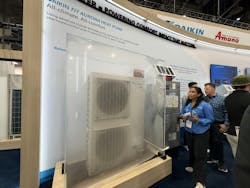
At AHR Expo 2026, Daikin Comfort Technologies noted that residential solutions featuring inverter heat pump technology are now expanding into multi-family applications, providing a quiet, highly efficient compact side discharge footprint that opens up new possibilities in this segment.
Daikin’s FIT AURORA Cold Climate Residential Heat Pumps are engineered to provide high-efficiency cooling and heating in a wide range of environments with low-GWP R-32 refrigerant. The 2- and 3-ton models meet or exceed specifications for the residential “Cold Climate Heat Pump Challenge” as defined by U.S. Department of Energy (DOE).
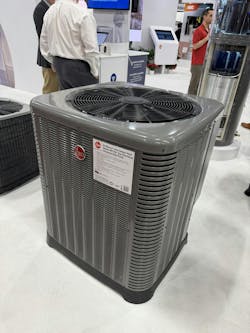
Rheem also showcased its Endeavor Line Prestige Series Side-Discharge Universal Heat Pump and Endeavor Line Classic Plus Series Top-Discharge Universal Heat Pump.
With cooling efficiencies up to 20 SEER2 and heating efficiencies up to 10 HSPF2, the RD18AY side discharge heat pump minimizes absolute energy use, while its 7mm condenser coil reduces refrigerant requirements by 15% to further lower environmental impact. A variable-speed outdoor unit, RD18AY is compatible with any 24V thermostat, smart thermostat, or Rheem’s EcoNet platform and comes standard with Rheem’s proprietary Universal Algorithm, which adjusts performance to ensure reliability, reduce unit cycling, and deliver long-term energy savings.
The RP17AY Top-Discharge Universal Heat Pump is available in 2–5-ton nominal sizes, with cooling efficiencies up to 17 SEER2 and heating efficiencies up to 9.5 HSPF2. Engineered for universal installation compatibility, the RP17AY pairs easily with virtually any R-454B HVAC system, including Rheem systems, whether EcoNet enabled or non-communicating, and is designed as a true universal replacement that requires minimal adjustments.
Dual Fuel: The Best of Both Worlds
David Budzinksi, deputy CEO and regional president, Americas, Bosch Home Comfort Group, highlighted a focus on dual-fuel systems that provide customers with greater flexibility.
“We want to be able to give customers the option to install whatever types of products they would like in their homes and in their businesses,” Budzinksi said. “And we're also a big promoter of dual fuel systems that allow for flexibility within people's buildings or homes. And so you'll see a lot more of us from that overall portfolio, which, combined with our strength in the commercial, just gives us incredible potential in the North American market. So that, coupled with our brands and growth in our distribution channels, gives us a tremendous positive outlook on our industry and our overall opportunity for the North American market.”
Many manufacturers displayed new commercial dual-fuel options during the expo this year. Among them were:
YORK Sun Choice Dual Fuel RTUs combine a heat pump with a gas or propane furnace as a backup heat source to deliver efficient heating and cooling and consistent comfort year-round in colder climates. The systems feature direct drive plenum supply fans, and integrated intelligence automatically transitions heating operation to the most optimal energy source based on outdoor conditions. It is deal for a wide range of light commercial applications.
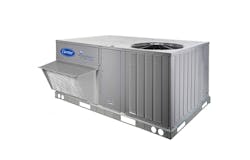
Carrier announced it has expanded its WeatherMaster line of light commercial packaged rooftop units with a new hybrid heat option. The 48QE dual-fuel units are available from 3-25 nominal tons. The new design utilizes the electric heat pump as the primary heating source in milder conditions and switches to a natural gas furnace for auxiliary heating when temperatures drop significantly. The hybrid system automatically selects the most efficient heat source based on outdoor temperature to ensure occupant comfort. 48QE units can use both electric and gas heat simultaneously or switch between the two heating sources, helping to ensure optimal performance and lower energy consumption. Units can operate as a heat pump, hybrid heat unit, or as a gas heat unit. The 48QE is meant to provide an easy, cost-effective retrofit option for light commercial applications by fitting onto existing curb and ductwork with minimal modifications required.
The Data Center Boom
With AI, cloud computing, and digital infrastructure expanding rapidly, data center cooling emerged as a major focus across nearly every major booth.
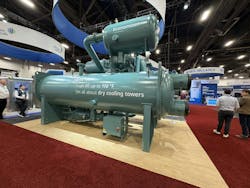
Johnson Controls dedicated its entire pre-show press conference to highlighting the company’s data center cooling solutions. Anthony Seiler, global director of data centers strategy at Johnson Controls, emphasized that the data center market is expanding rapidly, with expectations that it could reach a trillion-dollar industry by late 2027.
"Things that are important to us and important to customers are lower power usage, lower water usage, less sound, but also aligning with what the actual data center customers need," said Aaron Lewis, vice president and general manager, Applied Equipment, Johnson Controls.
Mihir Nandkeolyar, director of technology strategy for Data Center Thermal Management Products at Johnson Controls, highlighted the development of the YORK YVAM air-cooled chiller platform, which brought high-efficiency compressor technology into a water-saving design. He noted that Johnson Controls has continued expanding capacity and global applicability through lower GWP refrigerant options and regional voltage flexibility, culminating in the newly announced 3.5MW YORK YDAM chiller designed to reduce installation complexity and accelerate time to revenue for large-scale campuses.
Also announced at the show, the YORK YK-HT, a high-temperature centrifugal chiller engineered for data centers and large industrial, pharmaceutical, and health care campuses, delivers a wide operating range from a single driveline with condenser leaving fluid temperatures up to 165° F and up to 110° F of lift. Designed to support closed-loop heat rejection with dry coolers, the YK-HT enables heat-pump and heat-recovery applications that can offset more than 35 MMBtu per hour of wasted thermal energy while reducing carbon emissions and energy costs.
Johnson Controls said pairing the system with dry coolers can eliminate millions of gallons of annual cooling-tower water use, while also reducing dry cooler requirements by up to 60% and lowering onsite noise by as much as 20 dBA for water-constrained AI and mission-critical facilities. The unit can simultaneously produce 44° F chilled water and 140° F hot water in a single packaged platform, exceeds ASHRAE efficiency requirements, and simplifies installation and service by reducing rotating components by 50%.
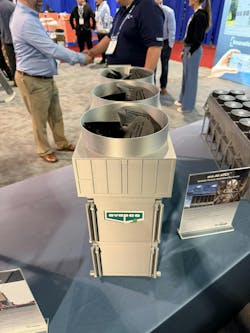
EVAPCO introduced its eco-Air APEX Dry Cooler, the newest product in its eco-Air Series, designed for large-scale, mission-critical heat rejection with zero water consumption. The eco-APEX is officially the highest capacity, CTI-certified dry cooler in the industry, according to EVAPCO. The eco-Air APEX balances the need for high-density heat rejection on water-constrained projects with urgent deployment timelines, expected by the AI infrastructure boom currently taking place. It features simplified installation and start up, as units ship in three segments with factory-mounted controls and service platforms. A single-point PLC/VFD control panel is factory-wired for plug-and-play benefits and expedited commissioning.
LG displayed advanced chiller technologies in its booth, including its new Inverter Scroll Heat Pump Chiller with Heat Recovery, built on a 30 RT modular platform (30/60/90 RT) using R-32 refrigerant. Also on display was LG’s Inverter Screw Chiller that is engineered for efficient and resilient chilled water operation. This chiller pairs inverter-driven permanent magnet motor compressors with a falling film evaporator and microchannel condenser to support improved heat transfer.
In addition to data center chillers, LG highlighted direct-to-chip liquid cooling together in one integrated approach, pairing a Coolant Distribution Unit with cold plates for high-power CPU and GPU chips. Reliability and uptime are supported through full-capacity pump and inverter redundancy with an AI virtual sensor backup and more.
Smart Platforms Took Center Stage
Digital transformation was impossible to miss at AHR, as manufacturers introduced a wave of AI-driven smart platforms designed to improve monitoring, diagnostics, and performance.
Trane introduced Trane Cloud, a secure, unified digital platform that brings together building data, analytics, applications, and services into one seamless experience, enabling operators, facility teams, and energy managers to run their buildings more efficiently and sustainably. By replacing fragmented systems with a single intelligent data foundation, Trane Cloud delivers portfolio-level visibility, actionable insights, and prioritized recommendations that streamline operations, improve reliability, and reduce energy and operational costs.
Carrier Abound introduced “Tell Me More,” a new generative AI–powered feature within its Abound Insights Assistant application that provides additional context and actionable guidance for building operations teams. The feature helps facility managers and technicians interpret AI-driven predictive insights more quickly and act with greater confidence to improve operational performance. The “Tell Me More” feature combines equipment operations and maintenance learning from the Abound Insights platform with generative AI trained on technical manuals and data resources, creating a conversational experience designed to support technician workflows and knowledge transfer, particularly during a time of growing HVAC technician shortages.
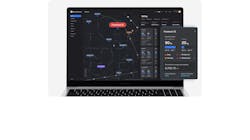
Samsung Electronics also showcased its SmartThings Pro platform at AHR 2026. The platform equips HVAC pros with an advanced enterprise solution to remotely manage, monitor, and optimize diverse residential and commercial portfolios.
SmartThings Pro allows HVAC service teams to remotely diagnose and address system issues across multiple locations. This includes real-time alerts for system faults or performance anomalies, and access to HVAC cycle data and remote troubleshooting functions such as Field Setting Value (FSV) adjustments and Smart Reset. These capabilities enable service organizations to assess issues more quickly, take corrective action when possible, and determine when on-site intervention is required. This helps to improve service efficiency and reduce unnecessary site visits. What’s more, advanced ticketing functionality will allow HVAC professionals to manage maintenance tasks that appear as tickets within the dashboard, enhancing team visibility on service status and optimizing workflows. SmartThings Pro supports property managers and commercial operators with automation and energy optimization capabilities designed to streamline operations across sites.
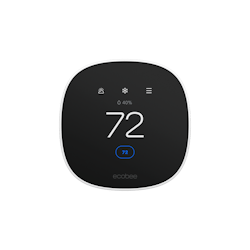
On the residential side, Rheem, in partnership with ecobee, Smart Thermostat Lite | Works with EcoNet Technology is an innovative solution that delivers energy savings, seamless compatibility, and enhanced convenience for homeowners and contractors. The ecobee Smart Thermostat Lite | Works with EcoNet Technology is designed to work effortlessly with non-communicating residential heating and cooling systems from the Rheem Family of Brands, including Rheem, Ruud, and Friedrich. Rheem’s EcoNet infrastructure enables physical and digital products to connect and communicate with each other within a single ecosystem. The EcoNet system includes Rheem Family of Brands’ physical products, cloud platform, mobile applications, and a new digital product service, TotalView, which will be available to Pro Partners, later this year. Rheem’s soon-to-be-debuted TotalView is a new family of digital tools that enable near-real-time monitoring and configuration of EcoNet-connected products from anywhere with Internet access.
Future of Refrigeration
As regulatory pressures and sustainability targets accelerate, refrigeration technologies continue to evolve—and this year’s AHR Expo highlighted that momentum.
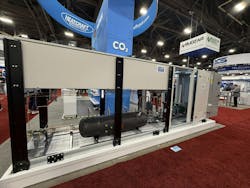
Heatcraft highlighted its portfolio of solutions that use low-GWP refrigerants to help companies remain compliant and profitable. Those solutions included Heatcraft’s new 90bar CO2 low-profile unit cooler reduces refrigerant venting in food retail and restaurant applications compared with 45bar CO2 evaporators. The unit improves charge retention and enables faster restarts after outages or maintenance, reducing downtime.
Also previewing at the expo, the 15horsepower CO2 vertical condensing unit is the first in a new platform and will be available later in 2026. Designed for commercial processes and cold storage where large rack systems aren’t required, the unit offers a low-GWP option that optimizes performance and total cost of ownership through rightsized capacity and footprint.
While CO2 refrigeration solutions provide environmental and safety benefits, it faces challenges in warm climates. To address this, Danfoss introduced its new Optyma iCO2 condensing unit, which allows transcritical CO2 systems to achieve optimal energy efficiency at high ambient temperatures. Engineered for transcritical low-or medium-temperature refrigeration applications, the iCO2 features a reciprocating semi-hermetic inverter Danfoss BOCK compressor, integrated with Danfoss drives, controllers, valves, and a microchannel heat exchanger, delivering a best-in-class, low-GWP solution using the natural refrigerant R-744 (CO2). The BOCK compressor enables the iCO2 to have a range from 68,000 Btu at maximum speed to15,000 Btu at minimum speed, and an evaporating operational map temperature ranging from -4° F to 41° F and an ambient temperature range of -13° F to 115° F. The iCO2 is fitted with variable speed fans, microchannel coils, and electronic controls, allowing the unit to provide effective cooling when faced with fluctuating load conditions, from 30% to 100% of the unit’s cooling capacity.
The 2026 AHR Expo reinforced just how quickly the HVACR industry is evolving to meet new market demands and operational realities. From electrification and hybrid system flexibility to the surge in data center cooling, smarter AI-driven platforms, and the ongoing transformation of refrigeration technologies, manufacturers made it clear that innovation is being shaped by efficiency, compliance, and workforce needs. For contractors, the trends on display point to both challenges and significant opportunities ahead.
Honorable Mention: Repair Vs. Replace
Even as new equipment innovation drew attention at AHR Expo, several manufacturers underscored a parallel reality for contractors: the ongoing demand for repair, service, and maintenance solutions. Companies like RectorSeal and DiversiTech highlighted products designed to extend system life, improve reliability, and reduce costly downtime—from surge protection devices to accessories that support faster, more efficient service work. With many customers prioritizing repairs over full replacements, these offerings reflect the growing importance of maintenance-focused revenue and long-term performance support.
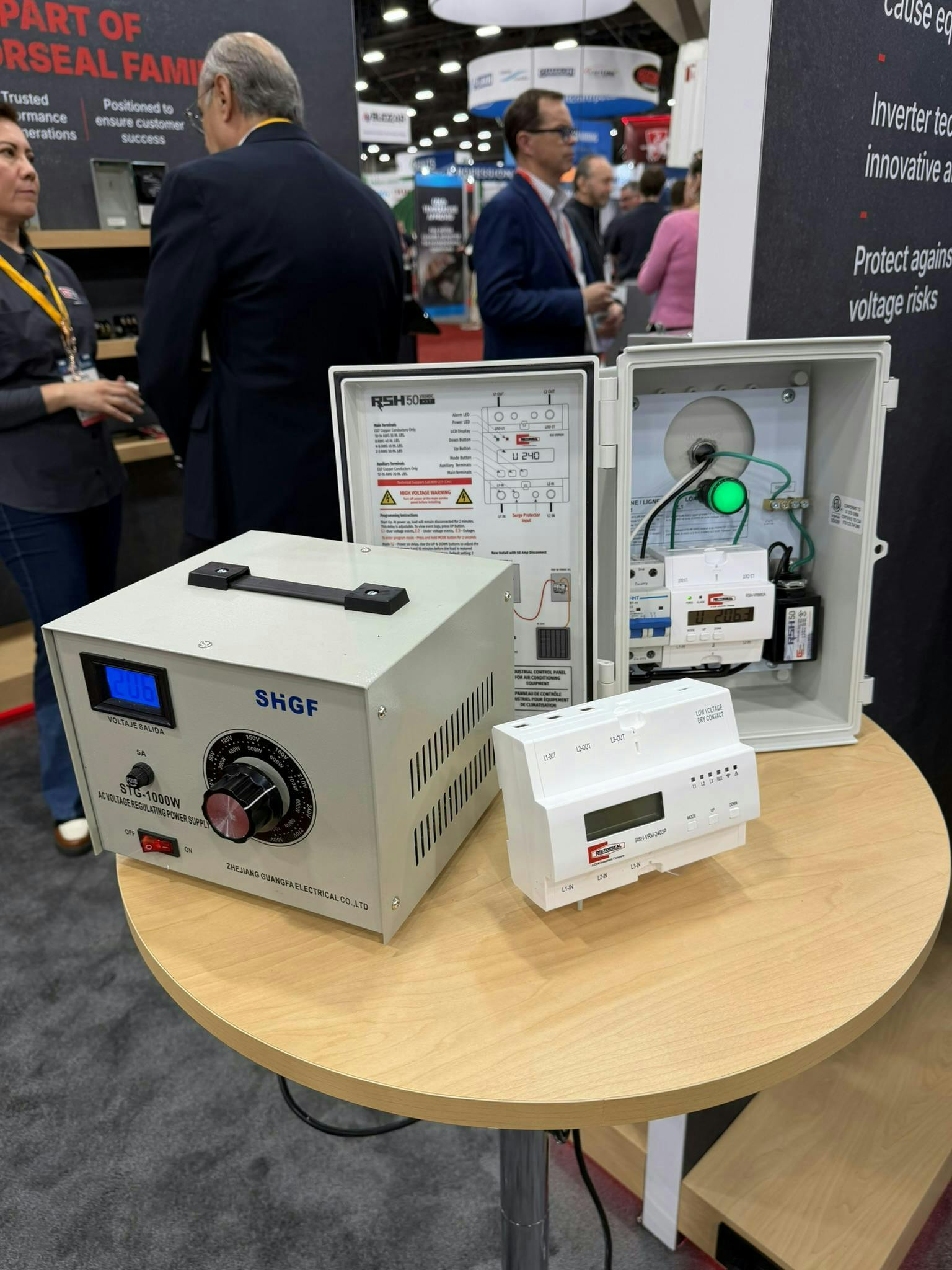
RectorSeal's RSH Voltage Range Monitoring (VRM) devices protect equipment from damage by overseeing voltage levels, with programmable cutoff ranges from 90V to 300V. They can also store data on up to 300 events, providing a comprehensive record for analysis and response. The RSH-50 VRMDC KIT model combines the VRM60A, RSH-50, & 60A disconnect breaker in a NEMA 3R enclosure, for an all-in-one equipment solution. It is recommended for all single-phase 120/240V HVACR Equipment (AC, heat pumps, and mini-split applications).
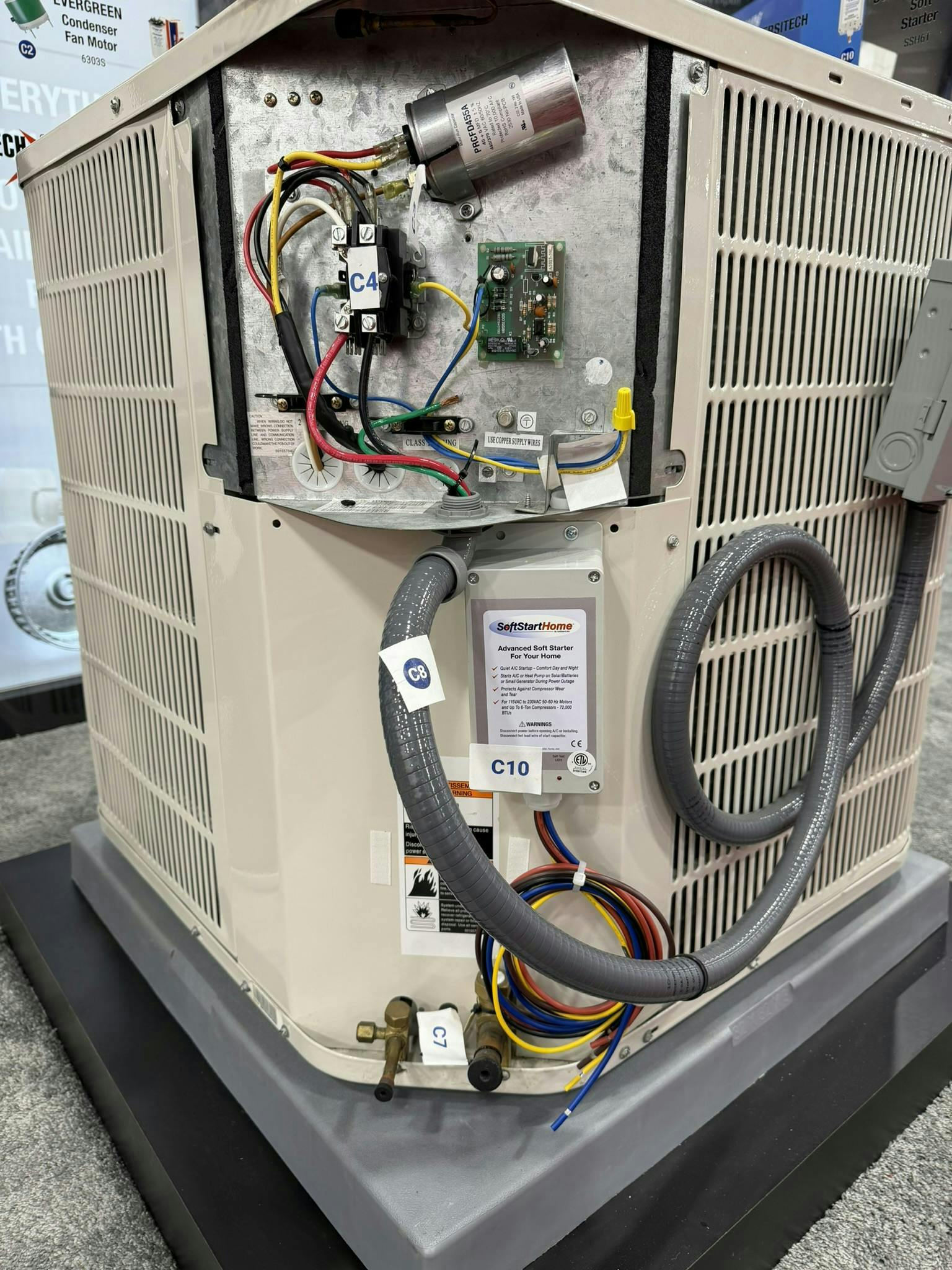
DiversiTech's SoftStartHome ramps up power to reduce the inrush of current to components and reduce power demand on start up. This reduces the stress on components and can allow systems to be supported by backup power. Available in two sizes: For 115VAC to 230VAC 50-60Hz motors and up to 3-ton compressors - 36,000 Btu, and up to 6-ton compressors - 72,000 Btu.
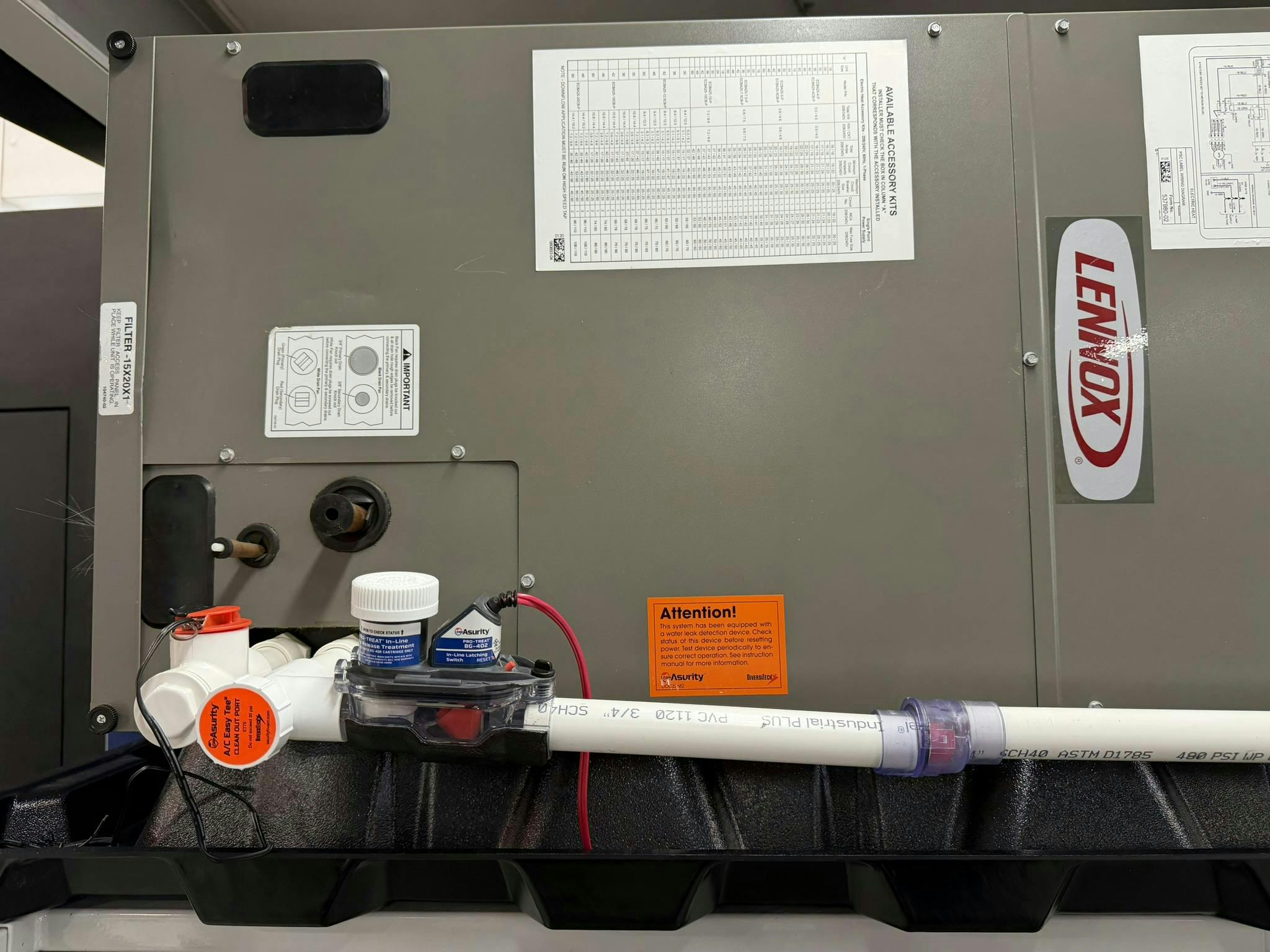
DiversiTech's Asurity BG-402 is an inline latching condensate safety switch with a patent-pending auto-dosing treatment delivery system. As the condensate water passes through the switch and over the treatment tablets, the condensate line is constantly dosed with treatment to keep the lines clear and flowing properly, for up to 6 months.
Aaron Engel, vice-president of business development for Fresh-Aire UV, a DiversiTech company, noted that these products are becoming more popular for HVAC contractors, as more customers are choosing repair over the high cost of replacement. "It's an insurance policy for equipment," he says.
About the Author
 Nicole Krawcke
Nicole Krawcke
Nicole Krawcke is the Editor-in-Chief of Contracting Business magazine. With over 10 years of B2B media experience across HVAC, plumbing, and mechanical markets, she has expertise in content creation, digital strategies, and project management. Nicole has more than 15 years of writing and editing experience and holds a bachelor’s degree in Journalism from Michigan State University.