BDC Report: Gas Utility Bills Rise 60% Faster Than Electric in 2025
Key Highlights
- Gas bills rose 60% faster than electric bills in 2025, primarily due to infrastructure spending rather than natural gas prices.
- Two-thirds of a typical household gas bill now funds pipeline replacements and infrastructure investments, tripling since 2010.
- States are advancing policies supporting building electrification, including heat pump permitting reforms and new rate structures.
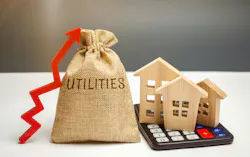
SACRAMENTO, California — Gas utility bills increased significantly faster than electric rates and inflation in 2025, driven largely by infrastructure spending, according to the Building Decarbonization Coalition’s Q1 2026 Momentum report.
The report found that gas bills rose 60% faster than electric bills and four times faster than inflation last year. It attributes much of the increase to utility spending on pipeline replacements and distribution infrastructure rather than the cost of natural gas itself.
According to the report, approximately two-thirds of a typical household gas bill now goes toward pipeline replacement and other infrastructure investments. Gas utility spending on distribution systems has more than tripled since 2010.
The Building Decarbonization Coalition estimates that if utilities had not accelerated infrastructure spending, customers could have saved $130 billion, or about $1,723 per gas household. The report also states that each year of accelerated spending adds at least $40 billion in excess lifetime costs for ratepayers.
“The main reason gas utility bills rose much faster than inflation in 2025 is infrastructure investment, not volatile gas prices,” said Kristin George Bagdanov, associate director of research at the Building Decarbonization Coalition.
The findings come as states continue to advance policies supporting building electrification and high-efficiency heating and cooling systems. The report highlights several recent developments:
- California is advancing legislation to modernize heat pump permitting and has launched an investor-owned utility-scale tariff-on-bill electrification pilot;
- Massachusetts is introducing a seasonal heat pump rate, energy-burden-based bill protections, and a proposed geothermal service rate;
- New York has authorized approximately $1 billion annually from 2026 through 2030 for energy efficiency and clean energy programs, including electrification; and
- Minnesota lawmakers have introduced legislation to establish a regulatory pathway for thermal energy networks.
The report also points to continued market shifts toward electric heating technologies. Heat pumps outsold gas furnaces for the fourth consecutive year in 2025 and exceeded air conditioner sales for a single month in September.
In addition, an Oklahoma electric cooperative avoided rate increases for eight years after incentivizing approximately 1,650 geothermal heat pump installations, which reduced peak demand and lowered wholesale power costs.
According to the Building Decarbonization Coalition, these trends indicate continued momentum toward high-efficiency electric heating systems as policymakers, utilities, and contractors respond to rising gas costs and evolving energy policies.
For more information, visit buildingdecarb.org.