METUS Urges Contractors to Prepare for Refrigerant and Smart HVAC Shifts
Key Highlights
- The shift to low-GWP refrigerants like R-32 is changing equipment design, installation practices, and requiring specialized contractor training.
- Contractors play a vital role in educating homeowners about refrigerant changes and assisting with the installation and integration of advanced HVAC systems.
- Innovation and technology adoption are essential for HVAC companies to meet evolving customer expectations around sustainability, comfort, and energy efficiency.
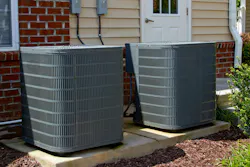
SUWANEE, Georgia — Mitsubishi Electric Trane HVAC US (METUS) said three major trends are shaping the residential HVAC market in 2026: the transition to lower-global warming potential refrigerants, increased adoption of electric heating systems, and growing demand for smart home HVAC technology.
According to METUS, homeowners are increasingly looking for energy-efficient systems that align with sustainability goals and connected home lifestyles.
The company said the transition from R-410A refrigerant to lower-global warming potential A2L refrigerants, including R-32, is changing equipment design, installation practices, and contractor training requirements.
Gerald Davis, founder of Superior Co-Op HVAC and Adirondack Heat Pumps in New York, said contractor education is helping ease the refrigerant transition.
“Installing HVAC systems for low-GWP refrigerants requires specialized skills and updated tools, but the learning curve is manageable with training from manufacturers,” Davis said.
He added that manufacturer-supported training programs help technicians stay current while minimizing disruptions to daily operations.
METUS also emphasized the importance of educating homeowners about refrigerant changes, noting that many consumers remain unfamiliar with the transition to lower-global-warming-potential refrigerants.
The company identified growing demand for all-electric, all-climate air-to-water heat pumps as another major market shift. According to METUS, rising energy costs, sustainability goals, and rebate programs are contributing to declining reliance on conventional gas-fired boilers.
Kim Bergeron, COO of Bergeron Mechanical Systems in Keene, New Hampshire, shared his experience using a Mitsubishi Electric ecodan air-to-water heat pump system.
According to Bergeron, the system provides quieter operation, improved comfort, and lower electricity costs compared to a gas-fired boiler system.
METUS said the ecodan system maintains full heating capacity at 5° F, and continues operating in outdoor temperatures as low as -22° F.
Smart HVAC technology also continues to gain traction as homeowners seek remote access, energy monitoring, occupancy sensing, and adaptive temperature controls.
The company said connected HVAC systems are increasingly integrating with broader smart home ecosystems. METUS highlighted the Mitsubishi Electric Comfort app, which allows homeowners to adjust settings, monitor energy use, and manage comfort remotely.
According to METUS, contractors play an important role in helping homeowners integrate connected HVAC technologies and optimize system performance.
“Innovation isn’t optional. It’s the foundation for the future of HVAC,” said Brinnon Williams, vice president of residential business at METUS.
Williams said contractors who adopt advanced technologies and focus on homeowner education will be better positioned to meet changing customer expectations around comfort, efficiency, and sustainability.