HVAC Issues Contribute to School Cancellations, GAO Finds
Key Facts
- Nearly 20% of school districts canceled classes due to facility issues, impacting millions of students.
- Extreme indoor temperatures, such as 110°F classrooms, were a significant cause of school closures.
- Over half of districts find their facilities budgets insufficient to meet needs, leading to deferred maintenance.
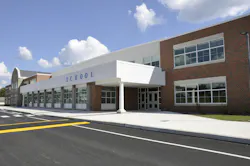
WASHINGTON, D.C. — Facility issues disrupted instruction across U.S. public schools during the 2024-25 school year, with nearly one in five school districts canceling classes because of problems such as plumbing emergencies and extreme classroom temperatures, according to a new report from the U.S. Government Accountability Office (GAO).
GAO estimates that 19% of school districts canceled school because of a facility issue during the school year. Those cancellations affected an estimated 2 million students and resulted in about 3.5 million lost days of learning.
Extreme indoor temperatures were among the issues contributing to cancellations. In one district GAO visited, school was canceled after classroom temperatures reached 110°F.
The report also found that facility problems were widespread. An estimated 47% of school districts experienced chronic facility issues that frequently disrupted instruction.
District budgets remain a challenge. GAO estimates that 55% of districts considered their most recent facilities budget insufficient to meet their needs. Districts also reported difficulties completing capital projects and said they often deferred maintenance, which can increase costs over time.
Preventive maintenance emerged as one strategy districts use to manage facility needs and reduce disruptions. GAO found that districts with limited capacity to conduct preventive maintenance experienced more chronic facility problems and greater disruptions to instruction.
School leaders reported using several approaches to address facility challenges, including strategic investments in preventive maintenance, cost-saving measures, facilities planning, outside expertise, and community engagement around capital projects.
The report also found that 73% of district leaders said limited state formula funding for facilities hindered their ability to meet facility needs.
For HVAC contractors working with schools, the findings highlight the operational impact of maintaining indoor environmental conditions and addressing facility problems before they disrupt building operations.