Texas Prisons Ordered to Install Air Conditioning by 2029
Key Facts
- The court ordered Texas to install air conditioning in all prisons by Dec. 31, 2029, citing unconstitutional conditions due to extreme heat.
- The project is estimated to cost around $1.5 billion and requires significant infrastructure upgrades across over 70 facilities lacking air conditioning.
- Texas plans to appeal the ruling, which could delay implementation, but the court insists the deadline is feasible based on engineering estimates.
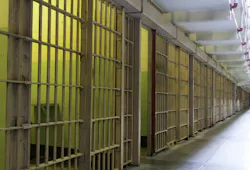
AUSTIN, Texas — A federal judge ordered Texas to install air conditioning in all state prisons by Dec. 31, 2029, citing unconstitutional conditions caused by extreme heat, the Associated Press reports.
The Texas Department of Criminal Justice (TDCJ) must immediately develop an installation plan, with the project estimated to cost $1.5 billion. Just over one-third of the agency's 104 facilities were fully air-conditioned as of September 2026. The agency plans to appeal the ruling, which could require significant investment in HVAC equipment, installation, and infrastructure upgrades.
U.S. District Judge Robert Pitman's ruling concluded that extreme heat in unair-conditioned facilities violates the Eighth Amendment’s prohibition against cruel and unusual punishment.
Pitman issued the 150-page order Sept. 22 following a trial in a lawsuit brought by incarcerated individuals and advocacy organizations. The court found that the state's existing heat-mitigation measures do not adequately protect inmates from the health risks associated with extreme temperatures.
The ruling cites evidence that summer heat indexes in Texas prisons can exceed 130°F, exposing inmates to serious health risks, including heat exhaustion, heat stroke, and death. Nearly 90,000 inmates were housed in facilities without air conditioning during the summer of 2026. The court found that all inmates in unair-conditioned housing face significant health risks, with those who have underlying medical conditions or take certain medications facing additional dangers. Testimony also described inmates becoming ill, fainting, and resorting to splashing toilet water on themselves to cool down.
Pitman determined that TDCJ's reliance on measures such as fans, hydration, cold showers, and access to designated cooling areas was insufficient to address the risks. The court found that these measures, individually and collectively, had failed to prevent heat-related injuries and deaths. In the ruling, Pitman concluded that the agency's failure to implement a meaningful air conditioning plan despite evidence of ongoing harm constituted "deliberate indifference" to inmates' safety.
The court determined that installing air conditioning throughout the prison system was necessary to remedy the constitutional violations. TDCJ had previously developed several plans for systemwide installation, with timelines extending as far as 2031. However, the agency's director of engineering, Dale Cox, testified that completing the project would take approximately 36 to 51 months. Based on that testimony, Pitman concluded that completing the installations by the end of 2029 was "very doable" and "not unreasonable."
Under the order, TDCJ must immediately develop and implement a plan to install air conditioning in every state prison and provide the court with progress reports every six months. The first report is due March 22, 2027. Subsequent reports must detail installation progress and explain any delays, including actions the agency plans to take to meet the deadline. The judge also stated that financial constraints would not excuse failure to comply with the order.
The ruling represents a significant infrastructure undertaking for the state's prison system. TDCJ has estimated that installing air conditioning throughout its facilities could cost approximately $1.5 billion.
The agency has said it will appeal the decision, disputing the court's finding that its response to extreme heat has been inadequate. The appeal could affect the implementation timeline, while the court's order establishes a systemwide installation deadline and ongoing reporting requirements.
The ruling highlights the scale of HVAC infrastructure investment required to address extreme heat in large institutional facilities. For HVAC contractors, the mandated air conditioning installations could create opportunities in system design, equipment installation, electrical upgrades, ventilation, and ongoing maintenance. The project also underscores the technical and logistical challenges of retrofitting existing buildings with cooling systems, including equipment selection, infrastructure capacity, installation scheduling, and long-term performance. More broadly, the ruling demonstrates how indoor temperature requirements can drive major HVAC projects and create demand for contractors experienced in complex institutional retrofits.