Heat Pumps Hold 58% of U.S. Heating Market Despite Tax Credit Expiration
Key Highlights
- Heat pumps made up 58% of U.S. space-heating shipments in the first half of 2026, matching 2024 levels.
- 41 state bills focused on building decarbonization have been passed in 2026, promoting energy efficiency and affordability.
- Rising utility costs, with utilities seeking $17.2 billion in rate increases, are influencing energy policy and consumer bills.
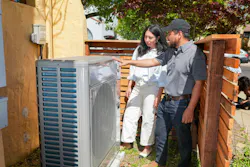
SACRAMENTO, California — Heat pumps accounted for 58% of U.S. space-heating equipment shipments in the first half of 2026, matching the record set in the same period of 2024. The Building Decarbonization Coalition (BDC) reported the finding in its latest Momentum Q3 | 2026: Special Legislation Edition report, despite the expiration of the federal $2,000 heat pump tax credit under Section 25C.
The report also found that state legislatures have passed 41 building decarbonization bills so far in 2026. Rising utility costs have made energy affordability a major focus of state legislative sessions.
The legislation takes several approaches to reducing energy costs. Some states have streamlined permitting, while others have updated energy efficiency programs to include heat pumps. Additional measures address utility costs and infrastructure, including electricity demand from data centers.
California’s Heat Pump Access Act (SB 222) streamlines the state’s heat pump permitting process. The measure is intended to make installations faster, easier and more affordable for homeowners and contractors.
Maryland’s Utility RELIEF Act (HB 1532) includes provisions to encourage heat pump adoption and support home energy upgrades. It also addresses utility ratemaking and data center tariffs, among other energy affordability measures.
Rhode Island’s Thermal Energy Network and Jobs Act requires public utilities to identify between two and 12 potential locations for thermal energy network feasibility studies. At least two studies must be implemented within the next 18 months. Utilities may then develop pilot projects, subject to Public Utilities Commission approval.
Energy costs rose 16% over the past 12 months, according to BDC. By the end of the third quarter of 2026, electric and gas utilities were seeking a combined $17.2 billion in rate increases.
The report also examines gas utility infrastructure spending and its impact on customer bills. BDC cited research showing that Pennsylvania’s six largest gas utilities spent more than $11 billion on accelerated pipeline replacement programs from 2013 through 2025. The spending contributed to a 67% average increase in residential gas bills over the past decade, while average residential gas use in the state fell 28% since 2000.
BDC’s earlier research found that gas utility spending on distribution infrastructure has more than tripled since 2010. The organization said pipeline replacement and other distribution investments now account for two-thirds of a typical household’s gas bill.
The report marks BDC’s fifth annual legislative roundup. Since 2022, the coalition has tracked 580 building decarbonization bills across 44 states. Of those bills, 206 have passed.
For HVAC contractors, the findings point to continued heat pump market activity alongside changing state policies on installation permitting, efficiency programs and energy affordability. Contractors should monitor relevant state legislation and program requirements as they evaluate opportunities to install heat pumps and help customers manage heating costs.
The full Momentum Q3 | 2026: Special Legislation Edition report is available from the Building Decarbonization Coalition at buildingdecarb.org/momentum-q3-2026.