What the Commercial VRF Low GWP A2L Refrigerant Shift Really Means for Contractors
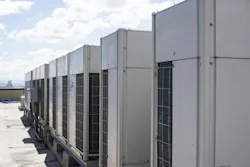
The commercial HVAC industry has entered a pivotal change. As of Jan. 1, manufacturers are no longer be able to produce or import commercial variable refrigerant flow (VRF) equipment using R-410A refrigerant. Instead, systems have shifted to lower-global warming potential (GWP) alternatives such as R-32, in line with global environmental goals to reduce the climate impact of HVAC systems.
This change raises several key questions for contractors, including how to manage day-to-day operations, preexisting projects, and customer communications. With the right planning and supplier coordination, contractors can keep projects moving and customers confident.
What’s Driving the Refrigerant Transition
The transition to low-GWP refrigerants is part of a broader strategy to phase down refrigerants with high GWP and adopt options that balance performance, safety, and regulatory compliance. R-410A, the previous industry standard VRF refrigerant, has a GWP of 2088. In comparison, R-32 has a significantly lower GWP of 675. This shift to low-GWP refrigerants began with residential systems and many commercial systems. Now, commercial projects using VRF equipment are following suit.
The core goal is straightforward: reduce emissions while maintaining or even improving system efficiency and customer comfort.
Understanding the Deadline
One of the biggest misconceptions is that Jan. 1, represents a “hard stop” for installing equipment that uses R-410A refrigerant. In reality, the regulation prohibits only the manufacture and import of new R-410A VRF equipment after that date. To ease the transition for contractors, a one-year sell-through period extends to Dec. 31, 2026.
That means in most areas of the country, HVAC contractors can still install and support R-410A VRF systems during the commercial VRF transition year — at least until the end of 2026. Warranties remain valid, replacement parts will be available, and manufacturers are planning their inventory strategies to ensure that equipment supply is available throughout the overlap period.
Navigating Supply with Confidence
Contractors may be wondering how the refrigerant transition will impact availability. While past supply disruptions raised valid concerns, many of those challenges were tied to cylinder shortages, not refrigerant production itself.
As larger commercial projects necessitate specific equipment submittal and approval processes, pre-ordering can be difficult. Commercial equipment is often shipped directly to the jobsite instead of into distribution warehouses, making frequent communication with distributors and manufacturers a must-have.
Proactive project planning gives contractors more choice and control, ensuring they can select the refrigerant path that best fits the job. The earlier the engagement, the more flexibility and confidence they’ll have to deliver for their customers.
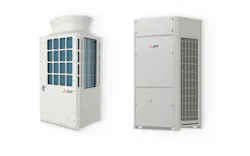
Revamping Training and Code Updates
The refrigerant shift also introduces code changes. Because R-32 is classified as a low GWP A2L refrigerant, contractors may need to integrate safety sensors and, in some cases, additional ventilation into building designs.
Fortunately, training resources are becoming widely available. Manufacturers, distributors, and service groups across the industry are developing and providing education for contractors, engineers, and architects. Investing in such training ensures safe installation practices and compliance with transportation and storage requirements for multiple refrigerants.
For instance, many providers offer education and training on the refrigerant change, including installation training for contractors and building construction learning for engineers and architects. It is important to ensure engineers and architects understand how to design buildings with the new refrigerant in mind. For instance, VRF applications are expected to shift toward a greater number of smaller systems rather than fewer larger ones. This approach offers several advantages, including reduced refrigerant volumes per system, smaller and more contained zones, and generally easier installation.
Communicating with Customers
When talking to customers, contractors should consider framing the transition as a positive step forward. A few points to highlight include:
- R-410A systems remain viable. Equipment installed in 2025 or 2026 will continue to be supported with warranties, replacement parts, and service for at least 10 years.
- New R-32 refrigerants can bring reliability and safety benefits. R-32 A2L systems come with built-in leak detection sensors that can isolate affected zones, reduce refrigerant loss, and keep systems running while repairs are made. These sensors can save costs by preventing full refrigerant loss and extending equipment life. By detecting the location of refrigerant leaks and isolating them, the system helps minimize downtime and allows for faster repairs.
- Efficiency upgrades add value. Alongside refrigerant changes, manufacturers have introduced coil redesigns, improved heating and cooling performance, and longer component durability. These updates deliver tangible operational and cost benefits over time.
Taking Practical Steps Now
What should contractors do now to best prepare?
1. Plan ahead with distributors. Secure project timelines early and confirm equipment availability months in advance.
2. Stock knowledge, not just parts. Ensure staff are trained on installation practices, refrigerant handling, and code compliance.
3. Educate customers. Reassure them about R-410A VRF system viability while highlighting the benefits of new refrigerant technologies.
4. Stay flexible. Expect some overlap where certain equipment is only available in one refrigerant type. Being adaptable will keep projects moving.
Leaning into the commercial VRF refrigerant change now sets the stage for contractors to enjoy long-term success and deliver quality customer satisfaction.
About the Author
 David Archer
David Archer
As Vice President of Commercial Business, David Archer sets the strategy for METUS’ commercial line, including regional commercial business units and vertical markets. He manages all aspects of the commercial side of the company to achieve planned sales, market share and profitability. Archer is a licensed professional engineer (Georgia) and a LEED Accredited Professional. He earned a bachelor’s degree in business administration – finance, from the College of Charleston, Charleston, South Carolina.