Smart HVACR Test Tools: How Software is Transforming Refrigeration Diagnostics
Key Highlights
- Smart, software-enabled tools are transforming refrigeration diagnostics by improving verification, diagnosis, and commissioning processes.
- Industry feedback highlights the need for tools that help bridge the skills gap and verify work quality in the field.
- Modern equipment's tighter specifications demand more accurate, reliable testing tools that keep pace with technological advancements.
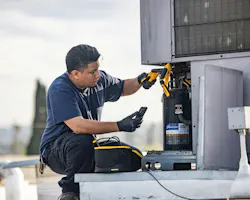
As HVACR systems grow more advanced and the industry grapples with an ongoing labor shortage, refrigeration test equipment is undergoing a significant transformation. Contractors are no longer relying solely on standalone instruments—they’re turning to integrated, software-driven solutions that streamline diagnostics, verify performance, and support less-experienced technicians in the field. Contracting Business sat down with Tony Gonzalez, director of training at Fieldpiece Instruments, about the key design trends shaping today’s tools, how digitalization is improving jobsite accuracy and accountability, and what innovations contractors can expect in the years ahead.
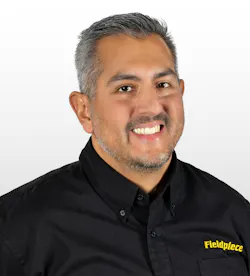
CB: What are the biggest design trends currently shaping refrigeration test equipment?
TG: The move to smarter tools empowered by software solutions to take the measurement and drive it to verification, diagnosis, and commissioning. Software solutions are trending up as contractors are looking for ways to mitigate the skills gap and ensure good work is performed in the field.
CB: What feedback are you hearing most often from contractors that is driving product innovation?
TG: Most contractors are feeling the effect of the skills and labor gap in the industry. They are looking for training solutions, but also hardware and software solutions to help expedite the learning curve for the newer workforce out in the field. Also, they are looking for ways to verify the work that is currently being done in the field to ensure all necessary tasks are completed and required tests are passed.
CB: How is the shift toward electrification and heat pumps impacting refrigeration testing needs?
TG: Modern equipment has much tighter refrigerant, airflow, and electrical requirements than older equipment. Meaning two things: one, the installer plays an even more critical role to ensure modern equipment is installed per manufacturer requirements; and two, the accuracy and reliability of test tools needs to keep up with equipment innovation. In addition, contractors are looking for solutions to verify good work is being performed in the field.
CB: What role are digitalization and smart diagnostics playing in next-generation test instruments?
TG: Digitization and smart tools are filling that need for verification that good work is being performed in the field. With the Job Link® System, technicians document measurements and results of required tests performed in the field. At the end of the job, a professional report is generated to verify that all measurements were taken, tasks were performed, and completed.
CB: How are tools evolving to safely handle A2L and other mildly flammable refrigerants?
TG: Tools are verified to ensure they comply with A2L safety standards and mildly flammable requirements. Thankfully, mildly flammable A2L refrigerants are not that different from the existing A1 refrigerants, so the tools the technician uses don’t need to change all that much.
CB: Do you see tools playing a role in bridging the HVACR workforce skills gap?
TG: Yes…although proper training will have the most impact in bridging this gap, tools and software solutions will expedite the learning curve by making it easier and faster to take the necessary performance measurements and performing and completing required tests in the field.
CB: What innovations do you expect to see in refrigeration test equipment over the next 3–5 years?
TG: I expect to see software playing a larger role in testing, diagnosing, and predictive failure analysis of HVACR equipment. More tools that communicate with each other to streamline the work in the field and allow the technician to do their job more easily, faster, and better.
CB: What should contractors be looking for when investing in next-generation test tools today?
TG: Contractors should ensure the tools they use are compliant with updated industry safety regulations and are accurate and rugged enough to measure modern HVACR equipment and withstand increasingly adverse weather conditions in the field. They should look for software solutions to verify good work is performed in the field and streamline the back end of their business.
For a look at the latest refrigeration test equipment on the market, check out our product gallery.
About the Author
 Nicole Krawcke
Nicole Krawcke
Nicole Krawcke is the Editor-in-Chief of Contracting Business magazine. With over 10 years of B2B media experience across HVAC, plumbing, and mechanical markets, she has expertise in content creation, digital strategies, and project management. Nicole has more than 15 years of writing and editing experience and holds a bachelor’s degree in Journalism from Michigan State University.