ASHRAE Approves Two-Year Life Cycle Refrigerant Management Work Plan
Key Highlights
- Proper life cycle management reduces emissions, enhances safety, and promotes energy efficiency across the refrigerant industry;
- The partnership bridges global environmental policies with technical standards, aiding developing countries in refrigerant compliance; and
- Resources such as fact sheets, online modules, and updated safety guidelines will support industry professionals and policymakers.
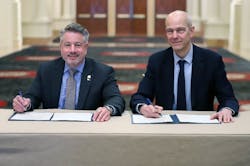
ATLANTA — Life Cycle Refrigerant Management is the focus of a newly approved two-year work plan between ASHRAE and the United Nations Environment Programme. The plan was adopted during the 2026 ASHRAE Winter Conference in Las Vegas and reinforces the organizations’ ongoing collaboration on sustainable refrigerant practices.
According to ASHRAE, the initiative comes as the refrigerating and air-conditioning industry transitions to alternative refrigerants that carry different safety and global warming potential profiles. Managing refrigerants across their full life cycle—from production and installation to recovery, reuse, and disposal—is intended to reduce emissions, improve system efficiency, and enhance technician and community safety.
The work plan includes the development of a Refrigeration and Air Conditioning Technicians Field Companion, an AI-powered multilingual mobile application based on the Assessing RAC Plant Sustainability guide. The tool is designed to provide real-time guidance and automated documentation to support practical implementation of life cycle refrigerant management practices.
Additional components include new fact sheets on life cycle refrigerant management and energy-efficient refrigerating and air-conditioning systems, along with updates to existing ASHRAE–UNEP OzonAction joint products. These resources include Energy Efficiency Literacy and Refrigerants Literacy online learning modules, a university course pack, updated sustainability checklists, a refrigerant update factsheet listing ASHRAE R designations and safety classifications, and Lower Global Warming Potential Award case studies.
“Life cycle refrigerant management is essential to achieving global climate goals,” said 2025-2026 ASHRAE President Bill McQuade, P.E., CDP, Fellow ASHRAE, LEED AP. “Even small refrigerant leaks reduce system efficiency and increase emissions. By emphasizing proper design, installation, maintenance and monitoring, LCRM improves safety, lowers energy use and reduces both direct and indirect emissions. It also strengthens local economies by supporting skilled jobs in refrigerant recovery, recycling and compliance.”
Jim Curlin, Head of UNEP’s OzonAction Branch, noted that the partnership bridges global environmental policy with technical standards and industry practice. “The collaboration provides specialized tools and services that help developing countries manage refrigerants responsibly, meet Montreal Protocol obligations and advance energy efficiency,” Curlin said. “ASHRAE contributes technical expertise in codes, standards and guidance for refrigerant use, while UNEP supports deployment aligned with global environmental goals.”
Jim Wolf, presidential member ASHRAE and co-chair of the ASHRAE–UNEP Liaison Group, emphasized the importance of safety during the refrigerant transition. “Some next-generation refrigerants are mildly flammable and require updated system design and handling practices,” Wolf said. “Life cycle refrigerant management helps ensure safe installation, operation, recovery and disposal under evolving standards.”
For HVACR contractors and technicians, the plan signals continued emphasis on refrigerant compliance, safe handling of mildly flammable next-generation refrigerants, and energy performance as global refrigerant transitions accelerate.
Note: This piece was created with the help of generative AI tools and edited by our content team for clarity and accuracy