Choosing the Right Heat Pump: Climate, Comfort, and Cost Essentials for Contractors
Key Highlights
- Heat pump sales have surpassed gas furnaces since 2021, with projections indicating a 44.3% market share by 2034, reflecting technological and environmental trends.
- Regional factors such as electricity and gas prices, climate conditions, and incentives influence the choice between standard, dual-fuel, and premium heat pump systems.
- Decarbonization efforts and renewable energy sources are boosting heat pump adoption, especially in states with high clean energy shares like Vermont and Illinois.
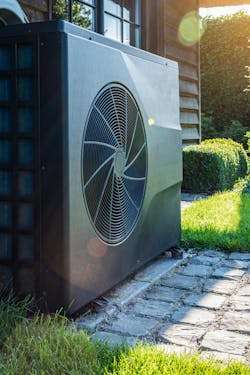
The heat pump revolution is expanding in the U.S., as homeowners and their HVAC contractors move toward more efficient cooling and heating systems. Heat pump sales have outpaced gas furnaces since 2021, with air-source heat pumps projected to hold a 44.3% share of home heating by 2034.
The trend reflects continuous advancements in heat pump system technologies, which have evolved to address a broader range of consumer demands for comfort, versatility, and affordability across multiple climate zones.
Helping consumers select the right heat pump equipment comes down to comfort and affordability. But there are multiple variables in this equation:
- Regional climate conditions (i.e., year-round ambient temperature and humidity;
- Cost of electricity and/or fossil fuels (i.e., natural gas, propane, and oil); and
- First costs and total cost of ownership (TCO), including long-term energy savings and the availability of local incentives
As manufacturers have considered these variables, heat pumps have proliferated into a wide variety of equipment and system types — from standard heat pumps and dual-fuel options to cold climate-capable heat pumps.
Because they move heat rather than generate it, heat pumps are inherently more efficient than traditional heating systems.
- Heat pumps are up to 3X more efficient than gas furnaces under optimal conditions;
- Up to 50% more efficient than electric resistance heating; and
- Geothermal systems reduce energy use by approximately 60%.
The potential for energy savings throughout a heat pump’s lifecycle is a primary driver of adoption and must be factored into its TCO equation.
If you’re a residential HVAC contractor, it’s critical to understand that there’s no one-size-fits-all heat pump solution. You’ll need to be prepared to help homeowners weigh all variables in their decision-making and advise on the best-fit heat pump option for their regional needs and personal preferences.
Decarbonization Goals Drive Heat Pump Adoption
Climate-friendly states have been among the first to advocate for decarbonizing gas-fired furnaces and boilers with electric heat pumps. In 2024, members of the U.S. Climate Alliance pledged to make heat pumps the primary new equipment in residential heating, air conditioning, and water heating shipments — aiming for 65% penetration by 2030 and 90% by 2040.
According to the U.S. Energy Information Administration (EIA), Alabama, North Carolina, and South Carolina have the highest penetration of heat pumps; more than 40% of homes in these three states have heat pumps. Adoption rates can be attributed to the relatively low cost of electricity compared to gas in these regions, as well as the fact that early heat pump technologies were well-suited for those moderate climates.
Decarbonization with heat pumps is achieved in combination with clean electricity grids, such as those powered by renewable energy sources, i.e., wind, solar, hydroelectric, and even nuclear.
As of 2024, 43% of the U.S. energy supply came from clean and/or renewable sources. Only six states then had a clean generation share of more than 70%: Vermont, Washington, South Dakota, New Hampshire, Idaho, and Illinois. Climate-friendly homeowners in those regions may be especially motivated to use heat pumps.
Balancing Climate, Comfort, and Cost Considerations
Repair or replace?
Deciding whether to repair or replace a homeowner’s HVAC system is the first step in any discussion about new equipment. In 2025, market volatility and a weak new housing market largely tilt the scales toward repair.
A general rule of thumb is that short-term repairs make the most sense when the equipment is less than 10–12 years old and repair costs are 50% less than replacement costs.
Climate, comfort, and cost
Specifying a heat pump for homeowners generally requires evaluating the three Cs of equipment selection: climate, comfort, and cost. Climate dictates the type of heat pump typically needed to maintain year-round comfort.
For example, in Southern regions where heat pump adoption is high, a standard heat pump may be sufficient to meet winter heating needs. However, a backup heating system may still be required to maintain comfort on the coldest days. As always, proper system sizing is essential for meeting comfort and/or capacity requirements.
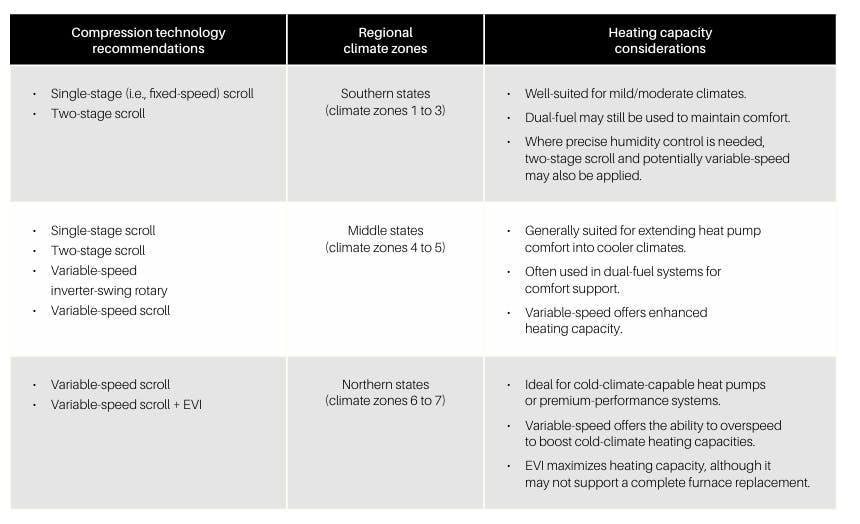
Managing summer humidity levels is also a consideration, which may require variable-capacity compression technology to provide more precise control (e.g., two-stage or variable-speed scroll compressors).
However, as you move north into climate zones 4, 5, 6, and 7 and heating loads increase, heat pumps may benefit from a variable-capacity compression strategy to maintain comfort, potentially with enhanced vapor injection (EVI) technology.
The case for dual-fuel
Heat pumps are priced in tiers to meet consumer comfort and affordability preferences (i.e., base, mid, and premium). But the costs of electricity and gas in a specific region must also be considered.
For example, in colder regions with lower natural gas prices, a dual-fuel heat pump solution may be the most affordable solution. Dual-fuel configurations combine a heat pump with a gas-fired furnace or boiler (or electric resistance heating), providing homeowners with the year-round efficiency benefits of a heat pump while relying on a furnace during the coldest days.
Dual-fuel strategies help to ensure comfort and keep first costs down while taking significant steps toward decarbonization.
For eco-minded homeowners and those living in the coldest climates, a premium and/or cold climate-capable heat pump may be a preferred option. However, in some cold climate scenarios, a premium heat pump alone may not fully replace a gas furnace; dual-fuel configurations may still be recommended to maintain comfort.
Whether your customers live in Southern or Northern states, are frugal or spend freely, or want to do their part to help the environment, there’s a heat pump to suit all homeowner preferences. As adoption continues to expand into colder regions, contractors need to be able to advise on solutions for all scenarios.
Sidebar: Aligning compression technology with heat pump selection
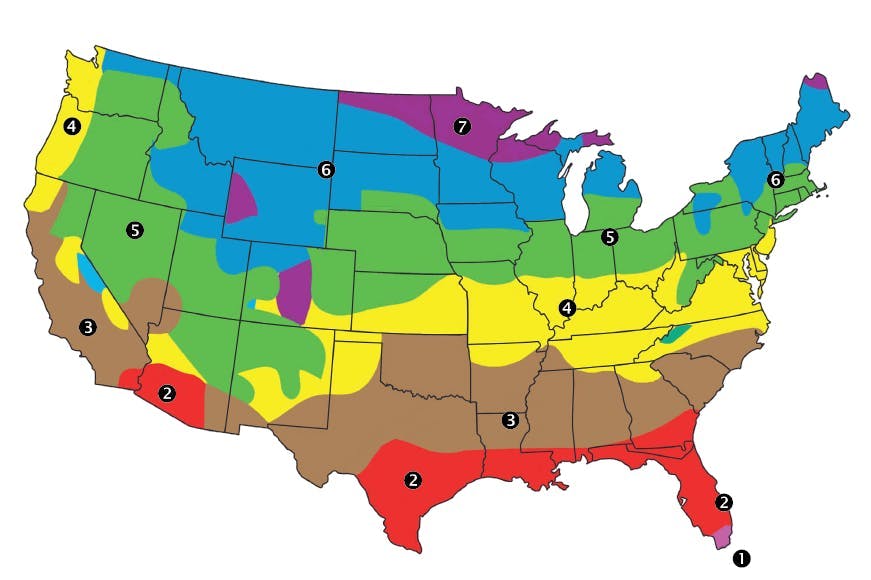
It’s essential to remember that dual-fuel systems may be beneficial in maintaining comfort in many scenarios. Although there’s no one-size-fits-all formula for system specification, the following can serve as a general guideline.
Recommended compression technologies for heat pump applications
About the Author
 Josh Souders
Josh Souders
Josh Souders is a product manager at Copeland. In his role, Souders collaborates across Copeland’s commercial HVAC unitary product management group. With over 13 years in the industry, he most recently held the role of product manager of Copeland’s residential variable-speed platform group. In addition, he’s worked in program management and refrigeration engineering capacities. Souders earned a bachelor’s degree in mechanical engineering and an M.B.A. from Wright State University.