Running a Tighter Heating Season Starts in the Office
Key Highlights
- Develop a comprehensive winter plan that includes scheduling, call handling, and inventory management to prevent chaos during peak season.
- Prioritize training based on your call history, focusing on high-impact areas such as heat pump performance or combustion safety to reduce callbacks.
- Stock trucks with parts based on past replacement data, and coordinate with suppliers to ensure availability during the season.
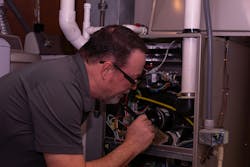
Every contractor knows the moment the year turns. The first real cold front hits, the phones light up, and the pace in the office changes. “No cool” calls become “no heat” calls, maintenance visits suddenly feel urgent, and small cracks in your scheduling, stocking, and communication systems start to look a lot bigger.
Many companies respond by pushing longer days and squeezing in as many stops as they can. That can get you through a week. It doesn’t do much for the rest of the season.
The firms that come out of winter in better shape usually have something in common: they treat winter prep as an internal project. They use the fall to decide what the schedule will look like, how calls will be handled, what should be on every truck, and how technicians talk to customers. The work still happens in attics and backyards, but the plan for surviving the rush is built at the front desk and in the shop.
Designing Your Winter Before the Weather Does It for You
By December, the board may already feel packed, but you can still shape how the rest of winter looks. Start by deciding what a “normal” day should include: How many maintenance or agreement visits will you schedule daily? How many demand calls? How much space will you reserve for true emergencies? Give CSRs and dispatchers a structure so they have something to protect, and every “kind of urgent” request doesn’t shove maintenance and good customers to the back of the line. Even mid-season, you can smooth the load by looking 30 to 60 days ahead, flagging older systems, repeat-problem homes and customers without service agreements, then scheduling specific tune-up or follow-up appointments with them instead of waiting for the next breakdown.
Pricing belongs in the same conversation. Diagnostic fees, trip charges, and after-hours rates do as much to shape your winter as the weather does, and changing them in the middle of a cold snap is risky and hard to explain. Reviewing them now, updating your price books, and making sure everyone in the office knows how to present them keeps you out of trouble later and gives your team more confidence when the season is at its busiest.
Turning “The Usual Problems” into a Company Playbook
If you stack last winter’s service tickets on a desk, patterns jump out fast: the addresses change, but the problems don’t. Recurring complaints like poor airflow, duct issues, thermostat and control troubles, neglected maintenance and comfort problems are where standardization pays off. This is where you need a simple, repeatable set of steps every tech follows for the same type of issue. You need a playbook, because when technicians use the same playbook, the business runs more smoothly, and diagnosing becomes faster and more reliable.
Airflow, controls, and maintenance are good places to start building that playbook. For airflow and ductwork problems, a routine of checking filters, static pressure, and temperature rise on every heating call raises the floor for everyone. Controls and thermostats following a shared troubleshooting sequence — from batteries and wiring to configuration and when to talk about relocation or replacement — cuts down on unnecessary part swaps and callbacks. And a consistent tune-up form for furnaces and heat pumps, with operational checks, safety controls, and clear recommendations, both protects you in tough conversations and helps you spot patterns across your installed base. Over time, some of these recurring issues can even be packaged as defined service offerings instead of one-off fixes.
Aiming Training at the Problems That Cost You Most
When you plan training, the real question isn’t “Should we do it?” but “Where do we start?” The best agenda usually comes from your own call history. Manufacturers like AUX already build product-specific training around these issues, but it only pays off if it’s part of your regular calendar. If a big share of your work involves heat pumps, then training on low-temperature performance should be near the top of the list: recognizing a normal defrost cycle, understanding balance points and staging, and spotting when electric heat strips are doing all the work. If gas furnaces drive most of your calls, prioritize combustion and safety training — agree on which tests are mandatory, which instruments to use, and how results get recorded so everyone is taught the same process and is evaluating equipment the same way.
From there, communication training pulls everything together. Techs don’t need to sound like salespeople, but they do need to be comfortable explaining what they found and what happens next. A few short sessions where they practice walking through repair-versus-replace conversations, discussing maintenance agreements on older systems and tying indoor air quality upgrades to specific complaints can change how the whole season feels. When they can pair solid technical training with clear explanations, customers are more likely to trust the recommendation and move forward.
Stocking for the Season You Actually Have
Few things frustrate a homeowner more than a technician telling a homeowner the part they need isn’t on the truck. But the tech is frustrated, too. The dispatcher is scrambling and the customer feels like they took off work for half a fix. Inventory is one area where last winter’s data can do the thinking for you. Looking back at the parts you replaced most often gives you a smarter starting point for winter stock levels than memory or guesswork. From there, you can define what “ready” means for a service truck during heating season. Once the standard is set, someone has to own it. Truck checks need to become a routine.
Conversations with suppliers belong in the same effort. Sharing your likely demand and the systems you see most often helps distributors plan their own inventory so you’re not competing for the last part on the shelf. Clarifying cut-off times for same-day orders, delivery options, and the process for true emergencies before you need them removes one more variable from a season that already has plenty. Don’t forget to talk to your manufacturing partners. If you install a lot of one type of equipment, make sure your distributor and manufacturing rep understand your mix so they can plan inventory with you.
Letting Winter Teach You How to Improve
Even with solid planning, winter exposes weak spots. The difference between a rough season and a useful one is whether you capture what happens. Callback rates, average ticket size, the balance between maintenance, service and replacement work, and how often systems fail after being flagged — all of those numbers tell a story about how your business actually runs under pressure.
Set aside time in late winter or early spring to study that story. You may see certain call types driving too many returns, specific techs who need support in one area, or maintenance agreements that aren’t reaching the equipment most at risk. The goal isn’t perfection; it’s to treat each heating season as data you can use, not just an ordeal you have to survive.
A Season You Can Live With
The weather will always decide when the phone rings. You decide what happens after that. When you plan your schedule instead of surrendering to it, give techs shared playbooks for common problems, aim training at issues that drive callbacks, stock trucks based on real history, and turn repeat problems into defined services, you put structure around a season that used to feel like chaos.
The work will still be long and the days full, but you’re not just getting through winter anymore. You’re using it to build a business that comes out stronger than the one that went in.
About the Author
Josh Locker
Josh Locker is the director of technical services at AUX AIR USA.