Spotlight: Meet 8 Women Trailblazers Shaping the Future of HVACR

In celebration of International Women’s Month, Contracting Business is proud to recognize eight exceptional women who are making a lasting impact across the HVACR industry. These leading ladies are helping shape the future of the skilled trades through their commitment to excellence. Their stories highlight the growing influence of women in HVACR—and the important role diverse perspectives play in strengthening the workforce and moving the industry forward.
Lara Beltz
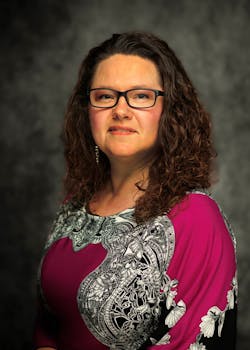
CB: What was your path into the HVACR industry, and what originally drew you to it?
LB: My journey into the trades started with my husband, Brian. I was already successful with marketing and graphic design, both of which he needed. I dove in headfirst and took our marketing from a number in the yellow pages to using almost every platform of marketing out there with strategic planning. I never dreamed I would be pulled into the trades and stay there. Something happens along the way though; you realize the boundless opportunities the trades offer with a community that surrounds you with amazing support and accountability. I have only experienced it in one other realm, the Navy.
For the last 17 years, my husband and I have worked on the business together as a team, supporting each other in our unique roles while learning the industry from the inside out. What makes us an amazing team is our different strengths, they complement each other. During that time, we grew the company from three employees to more than 50, intentionally driving our values, culture, and expectations along the way.
What keeps me to this day is the impact. Within our business, we can support and grow our team not just inside the business but in their personal lives as well. Outside our business, we can support our community. This industry is essential. We solve real problems, serve our communities, and build careers that support families. While I didn’t intend to get into the trades, I would never leave now. The trades have empowered me in ways no one could have predicted, both professionally and personally.
CB: What skills—technical or non-technical—have been most critical to your success as a leader in this industry?
LB: Communication and emotional intelligence have been the most critical skills by far. Technical knowledge matters, but leadership lives in how well you listen, how clearly you set expectations, and how consistently you follow through. Being able to translate between the field and the office, between customers and technicians, and between short-term pressure and long-term vision has been essential. I’ve also learned that being willing to admit what you don’t know is a strength, not a weakness. You don't have to know all the answers, just where to find them.
CB: What are one or two operational decisions you’ve made that had the biggest impact on your company’s growth or profitability?
LB: One of the most impactful decisions we made was committing to disciplined systems and processes to take the business to the next level. Gaining a true understanding of our numbers fundamentally changed how we made decisions and where we focused our time and resources. At the same time, we invested heavily in our people through training, leadership development, and culture, not just equipment or marketing. As we grew from a small team into a mid-sized organization, it became clear that strong systems and strong people must be built together to support sustainable growth.
Another important lesson we learned is to hire for fit, not just to fill trucks. Bringing the right people into the business that align with our values, standards, and culture matters far more than adding headcount quickly. We learned the hard way how damaging a toxic employee can be, not just to morale but to the long-term health and future of the entire company. Today, we prioritize character, accountability, and team mindset, knowing that the right people protect the culture we have worked so hard to build.
CB: How do you balance day-to-day operations with long-term strategy in a contracting business?
LB: It’s a constant balancing act, and I don’t think anyone ever fully masters it. What’s helped most is being intentional about working on the business, not just in it. Brian and I make a point to plan together long term, blocking time be visionary even when daily operations feel loud and urgent. Our long-term strategy is consistent, aligned decisions made over time.
CB: What were some of the biggest challenges you faced in your leadership role, and how did you overcome them?
LB: One of the biggest challenges was learning to believe in myself in rooms where I didn’t always feel like I belonged. Early on, it was easy to feel pressure to prove you deserved your seat at the table. I overcame that by doing the work, surrounding myself with strong mentors, and staying grounded in our values. Confidence came from competence, consistency, and a little moxie. Sometimes you just have to take up the space no one offered you at the table. The table may even be in your own business. I don’t give up easily, and that tenacity carried me through moments when the only person who fully believed I belonged in the business was my husband. Standing firm in those moments shaped the leader I am today.
CB: Have you encountered skepticism or bias in the industry, and how do you handle it professionally?
LB: Yes, and often it’s subtle rather than overt. I handle it by staying prepared, professional, and focused on results. I no longer feel the need to over-explain or overcompensate. Saying less is more, but I do call out bias or belittling when I see it. Respect is earned through clarity, follow-through, and performance. Whenever possible, I’m intentional about creating space and opportunity for other women so they don’t have to navigate those moments alone. Having spent years in the trades gives me the perspective and the responsibility to support women who are just getting started. Mentorship is one of the most rewarding parts of this work, and helping other women find their footing in the industry is something I genuinely love.
CB: What progress have you seen for women entering the trades or leadership roles in recent years?
LB: There is more visibility, more conversation, and more intentional effort around recruiting and supporting women. We are seeing women not only enter the trades but succeed and step into leadership roles across shops, organizations, and industry groups. Personally, I have seen more young girls interested in the trades at school job fairs than ever before. Representation matters, and seeing women succeed changes what feels possible for the next generation.
CB: What still needs to change to make HVACR more attractive and accessible to women?
LB: Awareness remains one of the biggest gaps. Many girls are never introduced to the trades as a viable, respected career path. Getting the word out at very early years is our best way to close that gap. Organizations like Explore The Trades are a great way to start the conversation. Continued focus on mentorship, flexible career pathways, and workplace cultures that value different strengths and perspectives are essential. Women don’t need to change to fit the industry, they need the industry to recognize the value they already bring. So many skills that most women already possess (like attention to detail, empathy and ease with customers) are overlooked.
CB: Looking ahead five years, what do you see as the biggest opportunities—and risks—for HVAC contracting businesses?
LB: The biggest opportunities are in technology, training, and professionalism. Companies that invest in systems, people, and the customer experience will continue to separate themselves from the pack. The growing influence of private equity is also reshaping the industry, and while it presents challenges, it creates a real opportunity for smaller, independent companies to shine by delivering superior customer service, strong relationships, and local accountability.
CB: What’s one quirky habit you have in the office or managing the shop?
LB: I usually bring a completely different perspective than the rest of the team. I have that luxury coming from outside the industry. Our team would say my “squinty chicken eyes”. It is a reference to the chicken in a Minions movie. It says, “nice try” with a glance.
CB: If you could replace your team’s work trucks with any vehicle from fiction, what would it be?
LB: The A-Team van. Reliable, iconic, and built for a team that gets the job done no matter what is thrown at them. It feels fitting for a trade built on teamwork and grit. All of which we have in abundance.
Laura DiFilippo
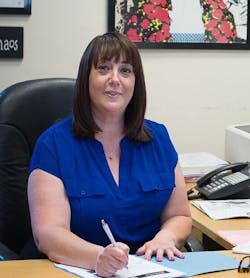
CB: What was your path into the HVACR industry, and what originally drew you to it?
LD: My path into the HVACR industry began out of necessity. I was transitioning out of a corporate career to become a first-time mom, and at the same time, my husband needed support in his growing business. What started as a practical decision quickly became a passion. As I immersed myself in the work, I realized how dynamic, complex, and opportunity-rich this industry truly is. Over time, what began as a job evolved into a fulfilling career—one that allowed me to contribute meaningfully to an incredible industry while raising my family.
CB: What skills—technical or non-technical—have been most critical to your success as a leader in this industry?
LD: Leadership has been the most critical skill in my career. While some people may have natural leadership tendencies, true leadership is developed through intentional learning, experience, and continuous training. I’ve invested time in building those skills because strong leadership directly impacts culture, performance, and long-term success.
CB: What are one or two operational decisions you’ve made that had the biggest impact on your company’s growth or profitability?
LD: I began as a part-time bookkeeper, which gave me a deep understanding of the company’s financial health and operations. When it became clear that I would take on full responsibility for running the business, that foundation proved invaluable. Having a comprehensive understanding of both finances and operations allowed me to make informed decisions that directly supported our growth and stability.
CB: How do you balance day-to-day operations with long-term strategy in a contracting business?
LD: I’ve always believed that balance starts with clarity around priorities. Early in my career, I intentionally built systems and schedules that allowed me to be fully present both at home and at work. That structure helped ensure daily operations ran smoothly while still leaving space for strategic planning and growth. Today, I focus on delegating effectively, developing strong leaders within our team, and regularly stepping back to evaluate where we’re headed. By protecting time for both execution and reflection, I’m able to stay engaged in the details without losing sight of the bigger picture.
CB: What were some of the biggest challenges you faced in your leadership role, and how did you overcome them?
LD: One of the greatest challenges was learning to trust myself in high-pressure situations and making difficult decisions with confidence. I overcame this by committing to continuous learning, surrounding myself with strong mentors, and staying grounded in our company’s values. Over time, experience and preparation built the confidence needed to lead effectively.
CB: Have you encountered skepticism or bias in the industry, and how do you handle it professionally?
LD: The best advice I ever received came from my father: always be true to who you are and never allow others’ perceptions to define you. I’ve taken every role I’ve held seriously, committed myself to learning, aligned with the smartest people in the room, and stood firm on issues that mattered. Professionalism, preparation, and consistency have always been my response.
CB: What progress have you seen for women entering the trades or leadership roles in recent years?
LD: I’ve seen a significant and encouraging shift in recent years. More women are entering the HVACR industry, both in technical and leadership roles. During my time as Chairman of ACCA, I was especially impressed by the growing number of women participating in ASHRAE and pursuing engineering careers. Their presence is strengthening the industry.
CB: What still needs to change to make HVACR more attractive and accessible to women?
LD: Awareness remains one of the biggest challenges. Many young people—especially women—simply aren’t exposed to the wide range of opportunities available in HVACR. This industry offers meaningful, stable, and well-paying careers at every level. If we continue improving outreach and education, more individuals will recognize HVACR as a viable and rewarding path.
CB: Looking ahead five years, what do you see as the biggest opportunities—and risks—for HVAC contracting businesses?
LD: One of the greatest opportunities lies in the integration of AI and advanced technology into daily operations. Tools such as smart diagnostics, remote system monitoring, and augmented reality support for technicians can dramatically improve efficiency and service quality. However, these advances also present risks. Overreliance on technology may weaken foundational technical knowledge. Developing “non-thinking” technicians who depend solely on tools rather than understanding system theory would be a mistake. Balancing innovation with strong technical training will be critical.
CB: What’s something in your office, truck, or shop that always makes you smile or laugh?
LD: Every morning, I take a moment to notice the sunrise. It isn’t always spectacular, but it always reminds me to be grateful for another day doing meaningful work. That simple moment starts my day with perspective and appreciation.
CB: What’s one quirky habit you have in the office or managing the shop?
LD: I make it a point to meet with my office staff every day, not just to discuss work, but to check in on how they’re doing personally. People want to feel seen, heard, and valued. Taking time for those connections strengthens our culture and builds trust.
CB: What’s the strangest thing your employees have ever found in an air duct or crawl space?
LD: Over the years, we’ve discovered everything from forgotten toys and lost personal items to unexpected wildlife visitors. It’s always a reminder that no two days in this industry are ever quite the same.
Claire Ferrara

CB: What was your path into the HVACR industry, and what originally drew you to it?
CF: I grew up around this business because I'm third generation ownership of this business. My grandfather started it in 1930. I worked in the business in my teen years, and certainly younger than that — I went to work with my dad and would sort checks and things like that. I think I first answered the phone when I was 14. Then, I went away to a four-year college, and then went to trade school after college. I worked elsewhere for a while, and now I've been back in our business for 10 years.
I made a decision when I was 19 that I wanted to come back to this business someday. I was actually working that summer in the field with some installers as an apprentice. I just thought it was really cool what we were doing. That started conversations with my dad and my uncle who were the business owners at the time. They're like, “Look, you have to have some kind of secondary education, but that's up to you.” I realized that trade school would give me more credentials and maybe more street cred with people. So that's why I made that choice because I really wanted to arm myself with more knowledge and actually be seen as credible.
CB: What skills—technical or non-technical—have been most critical to your success as a leader in this industry?
CF: I would say for sure, curiosity. There’s always going to be something you don't know. You have to be willing to keep learning and ask a lot of questions. I would also say patience. When you're talking about leadership, patience is a big deal. I'm impatient, but I have learned to become patient because a lot of good things happen when you don't jump to solve the problem yourself, or you wait to see what actually occurs. If I picked others, it could be a long list, but probably resilience because this industry is not for the faint of heart, even though it can be wonderfully rewarding in many ways. It's a bit of a rollercoaster, and it can be very tough. You have to be willing to show up over and over and over again, even when it's really hard. And lastly, I would say empathy because it's human. All of it is human, and the humans are going to be how we have success.
CB: What are one or two operational decisions you’ve made that had the biggest impact on your company’s growth or profitability?
CF: One I would say is bringing leaders into the discussion. Previous way of working was very top-down, right? The owner said something, and the president just said, "OK, here you go." There wasn't a group of people brought in necessarily to design the goals or direction. I very quickly said, "I need a team of people.” Because I definitely have not been around as long as these people, and I don't have all the answers, nor do I care to, but I want to bring people together to make decisions. That not only empowered them, but also made a positive change for us and led to more sustainable change and growth in our business. The second thing is getting outside eyes on us. So hiring people to coach us and hold up the mirror and say like, "Yeah, here's what you're bad at," but then also cheerlead us. That was hugely critical.
CB: How do you balance day-to-day operations with long-term strategy in a contracting business?
CF: Probably one of the hardest things to do, especially as you're growing, right? Because those two things fight each other all day long. Day-to-day is like urgency and fires, and long-term strategy takes time and research, and they fight each other all day long. So to me, it's really about doing your best to create a system that allows space for strategic thinking. Planning time to plan and getting really clear on what people's roles are — are they in the firefighting or are they in the strategy? And yes, people can play in both lanes, but what is their primary accountability? Then, making sure that you're designing a system that sets them up, including yourself, to do that primary accountability. It's really hard and super intentional.
CB: What were some of the biggest challenges you faced in your leadership role, and how did you overcome them?
CF: Gosh, I think just generally it's probably like navigating uncertainty. There are some very specific things that I've been sort of unfortunate to learn, but grateful for the lessons after they're done. You have to be super transparent with your team, share the burden with them, and truly, genuinely listen to feedback from people, not just listen to listen. You have to make it a two-way street. And you also have to continuously redefine success for your whole team because that, ultimately, in my experience, helps bring people along and keep you adaptable. Part of doing that would be to lead with facts, not feelings. Even though the feelings are important and you have to acknowledge them, you have to be transparent with your facts and your burden, and that's how you get there.
CB: Have you encountered skepticism or bias in the industry, and how do you handle it professionally?
CF: Yes, very much so. One is just about showing up and doing the work. I am willing to put it on the table and just call it out. I try to do it in a respectful, supportive way, but I just say things like, “Are we recognizing the bias that we have here?” or “I sense that you don't think I can do this? Tell me why.” I just face it head-on because I do think everyone has to show up and do the work, and people will judge you for that. But let's not let it go unsaid. Let's actually face it. And that's really uncomfortable for some people. But if you can be patient and curious, I've learned that you can actually get to the root of that thinking, and many times, you can quell that right up front.
CB: What progress have you seen for women entering the trades or leadership roles in recent years?
CF: I've seen a sentiment of wanting more women to be in the trades, and we want more women in leadership roles. And that's a good thing. The desire is there. More space has been created to hear from women — like this, for example. More people are giving a voice to women who are in the trades or leadership roles. And I think that's helpful. I think that we have a long way to go.
CB: What still needs to change to make HVACR more attractive and accessible to women?
CF: Probably workplace culture still has a ways to go in many, many places. Creating an environment where women get strong mentorship, for example. I know many women who are like, “I was never taught the financial side. My male peer was, but I never was.” And that's an intentional decision that a lot of people have not been intentional about. So also making sure that in terms of workplace culture, putting programs in place that retain talent, not just recruit it. I have seen more of a recruiting effort toward women, but the thing that needs to change still is that I don't know that I've seen the retention part. Women may need some flexibility that some of their male counterparts have not asked for before. I've had women bring a child into work because school got canceled that day, and they still wanted to be here but they are primary caregiver in their home.
I also think maybe the industry needs to get more intentional even about the visibility and the opportunities that are out there because there's phenomenal, meaningful careers, and I think we need to talk about it like that. Those things will go a long way.
CB: Looking ahead five years, what do you see as the biggest opportunities—and risks—for HVAC contracting businesses?
CF: Some of it is related to the things that we still see today. There's huge opportunity around the continued demand for technology evolution, whether it's building automation and smart devices to electrification, and certainly green energies. Those things aren't going away. They're only going to become more important. I also think there's a major opportunity for workforce development over the next five years. There's a huge risk there too, because the labor shortage thing is real, but the opportunity is: how can we really dive into the best training, the best workforce cultures that are really more about retention instead of just recruiting? How are we going to stay adaptable, and how are we going to tackle the uncertainty ahead of us? The biggest opportunity is probably there, probably in your workforce development, because it will keep you relevant, and you're going to need people in order to deliver our goods and services.
CB: Which classic movie character best represents your leadership style?
CF: I do have a TV character that people have referred me to as before — Leslie Knope from “Parks and Rec.” She’s amazing, but her binders and organization are very me. I think some of her enthusiasm and the humanness — I can be clumsy or mess things up or say the wrong thing, but it’s all coming from that really genuine place that I take my job very seriously and like to be organized. If there’s an activity, she’s got binders for things and everyone’s prepared. There are definitely moments where I've had to learn to throw the binder out the window, but my core is that type of person.
CB: If your team had a spirit animal, what would it be?
CF: I did some crowd sourcing with my team for the animal that represents our team. I got some really great answers. The team really liked the Phoenix, which is a fictional bird known for its rebirth from its own ashes and represents transformation and the ability to continue to transform itself. Our team has continued to learn and grow and has become a new version of itself many times over. From a non-fictional standpoint, the ANT was actually the pick — small but mighty, they work really well as a team and are very productive, producing superhuman strength compared to their size in order to make things happen.
Dayna Hottle
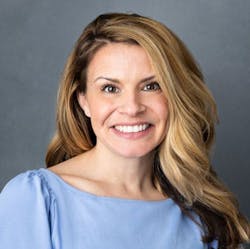
CB: What was your path into the HVACR industry, and what originally drew you to it?
DH: I was kind of born into the trades. My grandfather started the company back in 1948, and my dad joined after my grandfather unexpectedly passed away at 53. Growing up, I never planned on joining the family business. I honestly thought I’d do something completely different. But when I was in college, I needed a job and jumped in expecting it to be temporary. Pretty quickly, though, I fell in love with it. I loved helping people, seeing the direct impact of my work, and having the freedom to actually contribute and make changes. I could see the potential of what the business could become, and over time, it’s grown even beyond what I imagined.
CB: What skills, technical or non-technical, have been most critical to your success as a leader in this industry?
DH: Honestly, a mix of people skills and business awareness has mattered most. Being able to communicate clearly, listen, and handle tough conversations has been huge. On the technical side, understanding how the business works as a whole operations, finances, marketing, and systems has helped me make better decisions. I don’t have to know everything, but I ask good questions, surround myself with strong people, and focus on building processes that help the team win.
CB: What are one or two operational decisions you’ve made that had the biggest impact on your company’s growth or profitability?
DH: To be candid, 2023 and 2024 weren’t our strongest years. We were coming off the COVID boom, which felt like it would last forever, and we weren’t fully prepared for the slowdown that followed. Last year, my husband and I decided it was time for a reset. We made some tough decisions overhauled our marketing, parted ways with a few long-time vendor partners, and fully committed to streamlining our strategy. Those changes paid off, resulting in 20% year-over-year growth.
CB: How do you balance day-to-day operations with long-term strategy in a contracting business?
DH: It’s definitely a struggle especially with the constant day-to-day demands of the business. But being intentional with my time and actually scheduling dedicated space to step back and focus on the business instead of just working in it has been key. That time allows me to think strategically, plan ahead, and make decisions that support long-term growth rather than just reacting to what’s in front of me.
CB: What were some of the biggest challenges you faced in your leadership role, and how did you overcome them?
DH: My biggest challenge in recent years has been trusting my own confidence and instincts. When you’re making big decisions, self-doubt can creep in, and those are often the things that keep me up at night, terminating employees, dealing with negative press, lawsuits, and the many difficult situations that come with leading a contracting business. Over time, I’ve realized that my instincts usually guide me in the right direction and toward doing the right thing. And while those decisions are never easy, I’ve learned that when something truly feels like the right choice, it generally works out in the end.
CB: Have you encountered skepticism or bias in the industry, and how do you handle it professionally?
DH: I’ve learned not to take things personally and to let my work and results speak for themselves. I focus on being supportive, adding value, and serving as a resource to others, which helps build trust and long-term credibility.
CB: What progress have you seen for women entering the trades or leadership roles in recent years?
DH: It’s been incredibly exciting to see more women stepping in and truly moving this industry forward. Women bring new perspectives and different strengths, and I can only imagine the positive impact all these strong, talented women will continue to have on such a great industry.
CB: What still needs to change to make HVACR more attractive and accessible to women?
DH: I think it really starts with awareness of what the trades can offer as a career. For a long time, they’ve been misunderstood or overlooked, and often labeled as a boys’ club which just isn’t true. The trades offer challenging, rewarding work, and real opportunities for growth and leadership.
CB: Looking ahead five years, what do you see as the biggest opportunities—and risks—for HVAC contracting businesses?
DH: There’s a lot of opportunity in using technology to work smarter and more efficiently, which ultimately helps the bottom line. We’ve already started integrating AI technology, including using an AI agent to handle overflow, and it’s made a real difference in response times. We’re also utilizing offshore team members in support roles and plan to add more in the coming months. All of this allows us to scale our services, support our customers more effectively, and do so in a cost-efficient way.
CB: If your business were staffed by a team of superheroes, what would your superpower be?
DH: We actually call our core values our CARE values, so our superpower is caring. Caring about how we treat our customers, our employees, and our vendor partners. When you treat people right and do the right thing, everything else tends to fall into place in the end.
CB: What’s one tool, gadget, or piece of equipment you secretly love more than anythin
DH: It’s not so much a gadget or tool, but a habit. I listen to industry-related podcasts every morning. I’m a runner, so I’m out the door by 5:30 a.m., and I always have something industry-focused playing. It’s amazing how much you can learn and bring back into your business without ever leaving your state.
Janeen Norquist
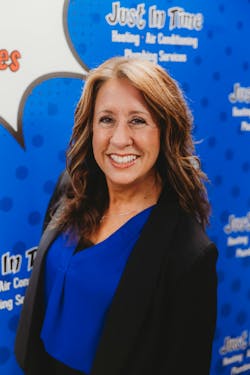
CB: What was your path into the HVACR industry, and what originally drew you to it?
JN: My path into HVACR, as many of us, wasn’t planned, it was personal. My husband, Justin, had a vision to build a service company that truly cared for people, and I believed in him before I really understood the industry. When we left our previous careers and started Just In Time, I stepped in to help build the business alongside him.
What drew me in, and what’s kept me here, is the impact. This industry allows us to solve real problems for real people, often on their worst days. Over the years, I realized the trades gave me purpose, confidence, and a platform to serve in a very meaningful way.
CB: What skills—technical or non-technical—have been most critical to your success as a leader in this industry?
JN: I would have to say emotional intelligence, communication, and becoming a better listener have been critical. You don’t necessarily have to know how to braze a joint to build a strong company, but you do have to know how to build trust and a team of great people that work together using their strengths.
Understanding people, personality styles, and motivation (DISC has been a game-changer) allows me to lead better, hire better, and create a culture where people want to stay.
CB: What are one or two operational decisions you’ve made that had the biggest impact on your company’s growth or profitability?
JN: One of the most impactful decisions we made was intentionally stepping away from commercial work and narrowing our focus to residential only. We had been servicing several national commercial contracts, and when one large client filed bankruptcy, it exposed the financial risk of long payment cycles, heavy administrative overhead, and jobs that stretched across multiple days. Residential allowed us to focus on what we do best, serving homeowners, completing work efficiently, and getting paid at the time of service. That shift significantly
improved cash flow, reduced drive time, increased gross margins, and gave us a more predictable and profitable operating model.
The second major shift was committing to people and process. We began hiring for culture and potential rather than experience alone, training individuals to our standards of quality and service, and truly investing in leadership development. Implementing performance pay, and integrating DISC into our hiring and communication trainings transformed how our teams operate. The result was greater efficiency, stronger buy-in, and the ability to complete more work at healthy margins without burning out our people.
CB: How do you balance day-to-day operations with long-term strategy in a contracting business?
JN: I do my best to be very intentional about how I spend my time and energy because I’ve learned that every “yes” is also a “no” to something else. If I don’t protect time for the things that matter most, like my family, our business goals, and my personal mission of developing leaders, then day-to-day operations will consume everything. This is why high-priority, long-term work is scheduled first, when my energy and focus are at their highest.
Operationally, we use our vision, mission, and core values as a filter for decision-making, and we’ve built a culture where responsibility, not just tasks, is delegated. Customer issues are incredibly important, but our team is empowered to handle them, knowing that if their decisions align with our values and are in the best interest of the customer, the team, and the company, they will be fully supported. DISC has played a key role in helping us place people in the right seats and communicate effectively, which allows leadership to scale with fewer bottlenecks.
CB: What were some of the biggest challenges you faced in your leadership role, and how did you overcome them?
JN: Learning to let go was hard. Early on, I thought being a good leader meant carrying the load and trying to fix and know everything. Over time, I realized real leadership is about clarity, boundaries, and empowerment of responsibility, not just tasks.
I overcame it by getting coached, getting uncomfortable, and being willing to grow alongside the company instead of trying to outwork it.
CB: Have you encountered skepticism or bias in the industry, and how do you handle it professionally?
JN: Yes, however, I learned not to take it personally. I don’t try to prove myself with words. I am passionate about professional and personal growth, and let my work speak for itself. Consistency, results, and integrity have a way of shining through and can’t really be ignored. My hope is to encourage other women in our industry to lead with this same mindset and confidence
CB: What progress have you seen for women entering the trades or leadership roles in recent years?
JN: The progress has been incredible! More women are stepping into leadership, ownership, operations, and technical roles…and they’re bringing confidence with them.
Organizations like Women in HVACR have helped normalize visibility and mentorship, and that momentum is changing the narrative in real time.
CB: What still needs to change to make HVACR more attractive and accessible to women?
JN: We need to continue changing the story. This is not just a “backup career” or a “man’s industry.” Our place in this industry is more. It is a career with purpose, flexibility, and opportunity.
Better onboarding, mentorship, and visible career paths will make a huge difference. Women don’t need permission; they need access and encouragement.
CB: Looking ahead five years, what do you see as the biggest opportunities—and risks—for HVAC contracting businesses?
JN: I feel one of the biggest opportunities is leadership. Companies that invest in culture, clarity, people development, and technology will win.
The see the biggest risk as burnout…owners and teams alike. If we don’t protect our people while scaling, growth may come at too high a cost.
CB: What’s one tool, gadget, or piece of equipment you secretly love more than anything?
JN: Honestly, it is not a traditional tool or piece of equipment…it’s DISC. I use it constantly, and I probably rely on it more than most people realize. As a business owner and leader, DISC has completely changed how I hire, communicate, and develop people. It’s helped me better understand myself, my team, and our customers. It has made difficult conversations clearer and leadership more effective.
In an industry where people are our greatest asset, having a tool that helps place individuals in the right seats, reduce friction, and build stronger relationships and trust is invaluable.
CB: What’s the funniest or most unusual customer request you’ve ever received?
JN: Actually, in this past year, we had a customer (an elderly lady) ask our technician, who is in his mid-20s, to join her for square dancing lessons. He was honored.
Cassie Pound

CB: What was your path into the HVACR industry, and what originally drew you to it?
CP: I came into the HVAC industry through family and entrepreneurship. My husband started Quality, and what began as helping where needed quickly turned into full involvement. What drew me in was realizing how impactful this industry is. We don’t just fix equipment, we solve real problems for families, keep people safe, and provide stable careers. Once I saw the opportunity to build something meaningful and scalable, I was all in.
CB: What skills—technical or non-technical—have been most critical to your success as a leader in this industry?
CP: People leadership, communication, and systems thinking. I don’t need to be the best technician in the room, but I do need to understand the business, the customer experience, and how to build processes that allow great people to win. Emotional intelligence and the ability to coach, not just manage, have been huge.
CB: What are one or two operational decisions you’ve made that had the biggest impact on your company’s growth or profitability?
CP: Investing early in strong leadership roles instead of trying to do everything myself was a game changer. Another big one was committing to consistent training and accountability systems. Once we stopped relying on heroics and started relying on processes, everything improved: profitability, culture, and customer experience.
CB: How do you balance day-to-day operations with long-term strategy in a contracting business?
CP: It’s a constant discipline. I block time for strategy and refuse to give it up unless it’s a true emergency. Day-to-day fires will always exist in contracting, so if you don’t intentionally step back, you’ll never grow. I also lean heavily on my leadership team so I can stay focused on where we’re going, not just what’s broken today.
CB: What were some of the biggest challenges you faced in your leadership role, and how did you overcome them?
CP: Learning to hold people accountable without carrying guilt was hard. Early on, I wanted everyone to succeed so badly that I avoided hard conversations. Over time, I learned that clarity and accountability are actually acts of respect. Coaching, setting expectations, and following through changed everything.
CB: Have you encountered skepticism or bias in the industry, and how do you handle it professionally?
CP: Absolutely. Early on, I was often underestimated or mistaken for someone “helping out.” I handle it by being prepared, confident, and consistent. Results speak louder than anything. I don’t feel the need to prove myself anymore; I let the work do that.
CB: What progress have you seen for women entering the trades or leadership roles in recent years?
CP: There’s been real progress. More women are visible, more companies are intentionally recruiting them, and conversations around inclusion are happening openly. Women are no longer seen as an anomaly in leadership, and that shift matters.
CB: What still needs to change to make HVACR more attractive and accessible to women?
CP: We need better exposure earlier, especially in schools. Flexible career paths, mentorship, and clear growth opportunities also matter. Women need to see that there’s room for them not just in the field, but in leadership, ownership, and technical specialties.
CB: Looking ahead five years, what do you see as the biggest opportunities—and risks—for HVAC contracting businesses?
CP: Opportunities include professionalization, branding, technology, and customer experience. The biggest risk is failing to adapt. Companies that don’t invest in people, systems, and culture will struggle. Labor shortages and poor leadership will separate the winners from everyone else.
CB: What’s the funniest or most unusual customer request you’ve ever received?
CP: We’ve had customers ask if we could “just make it quieter without fixing anything” and others who wanted us to wait until it was exactly 30 degrees outside before turning the heat on to test it. You learn quickly that HVAC is part technical, part psychology.
CB: If you could replace your team’s work trucks with any vehicle from fiction, what would it be?
CP: The Batmobile. Fast, reliable, intimidating in the best way, and it makes a statement when it pulls up. That feels on brand.
Alyssa Rogers
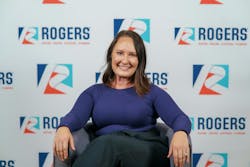
CB: What was your path into the HVACR industry, and what originally drew you to it?
AR: My path into the HVAC industry started with my husband, Joey. When I met him in 2011, I didn’t know what a heat pump was, and for several years, HVAC was simply his world, not mine. That changed in 2018 when we decided to build Rogers Heating & Cooling together.
In the early days, Joey was in the field serving customers, and I was in the office handling everything else: operations, customer communication, systems, and problem-solving. I learned the industry the hard way: endless Google searches (where was ChatGPT when I needed it?), listening closely to customers, and paying attention to Joey’s conversations with both customers and team members. Over time, that hands-on exposure became real understanding.
A few years later, being introduced to industry leaders, peer groups, and best-practice organizations accelerated my growth significantly. What began as learning out of necessity turned into a genuine passion for building a strong, scalable HVAC business.
CB: What skills—technical or non-technical—have been most critical to your success as a leader in this industry?
AR: The most critical skill has been learning how to manage myself—and then lead others effectively. I’ve learned that leadership starts with example. I have to be the leader I would want to follow.
Our growth would not be possible without the people who show up every day for our organization. Strong leadership means helping people grow out of their seats, showing them a clear path forward, and genuinely investing in their development. It also means surrounding myself with the right people and not being afraid to put myself out there.
You cannot build something significant alone. To grow to higher levels, you have to let go of ego, ask for help, and lead people the right way.
CB: What are one or two operational decisions you’ve made that had the biggest impact on your company’s growth or profitability?
AR: One of the most impactful decisions I have made is learning every team member’s personal, professional, and financial goals. It may sound simple, but it has had a massive effect on our organization.
Understanding individual goals helps ensure people are in the right seat, shows me where I can challenge them to grow, and confirms whether they’re aligned with the company’s vision. It also allows me to help them win daily and to celebrate those wins with them.
An aligned team is the foundation of growth. You cannot scale a contracting business without it.
CB: How do you balance day-to-day operations with long-term strategy in a contracting business?
AR: I take things one day at a time. In this industry, you never know what each day will bring. I serve as the integrator of our organization, while Joey is the visionary. I often joke that he’s already living in 2027, and I’m working hard to catch up.
I’m a firm believer in consistency. I show up every day, even when the day-to-day feels overwhelming. When that happens, I remind myself of the long-term strategy, but I also know that big goals are only achieved through small wins, earned consistently.
Social media often shows the highlight reel, not the full story. The truth is, there are more hard days than easy ones. That is why celebrating wins when they come matters because you never know when the next one will.
CB: What were some of the biggest challenges you faced in your leadership role, and how did you overcome them?
AR: One of my biggest leadership lessons was realizing that the way I used to lead is not how people want to be led. People want to understand what’s in it for them, not just the company vision, but how that vision connects to their own goals.
I also had to learn to stop leading with emotion and start leading with data and accountability. That shift alone created significant growth within our organization.
Another challenge was hiring early on without clear job descriptions. At first, we hired help out of necessity with a “we’ll figure it out together” mindset. That works temporarily, but eventually leads to confusion, overlap, and frustration. Clear roles, responsibilities, and expectations from day one are critical and something I would never skip again.
CB: Have you encountered skepticism or bias in the industry, and how do you handle it professionally?
I haven’t personally experienced bias because I’m a woman, but I have experienced bias because I’m the wife.
In the early days, many people assumed I handled the books or worked a flexible schedule simply because I was married to the owner. Conversations often framed me as “Joey’s wife,” not the vice president of the company.
Over time, through consistency, results, and hard work, that perception changed. People began to understand the role I play and the hours invested behind the scenes to help grow the organization. Respect followed performance.
CB: What progress have you seen for women entering the trades or leadership roles in recent years?
AR: There is more opportunity for women in the trades than ever before. Many people still think HVAC is only about technicians in the field, and while that role is critical, it’s only one part of a successful business.
Trades need strong leaders in marketing, HR, finance, customer service, sales, and operations. As the industry evolves, so do the opportunities for women, especially in leadership roles where strategic thinking and people development are essential.
CB: What still needs to change to make HVACR more attractive and accessible to women?
AR: We need to talk more openly about the full scope of opportunities within the trades. HVAC is about far more than technical work - it’s about building a business. Highlighting the variety of roles available will help more women see where they fit and how they can thrive in this industry.
CB: Looking ahead five years, what do you see as the biggest opportunities—and risks—for HVAC contracting businesses?
AR: The ability to be seen like never before. With advancements in AI, social media, and digital marketing, there is no excuse for businesses not to establish a strong presence and connect directly with their communities.
But Greater visibility also brings greater scrutiny. More eyes mean more opinions. Businesses must be intentional with their messaging, maintain professionalism at all times, and develop thick skin. Not everyone will agree with your direction—and that’s okay.
CB: What’s something in your office, truck, or shop that always makes you smile or laugh?
This question always makes me laugh because we have a fairly large office, and I have worked out of almost every room in it at some point. Early on, I decorated each space, only to move again as the company grew and someone else needed the office.
Now, I have a workstation and a box of belongings that move with me. I joke that I have the most flexible seat in the building, you never quite know where I will be next. It’s a constant reminder of growth, and I wouldn’t change it…as I write this, I am surrounded by all of my things because I just moved into a new space yesterday and gave our new Purchasing Coordinator my previous spot.
CB: If your team had a spirit animal, what would it be?
A wolf! Our team is gritty and works best together. Everyone has a role, everyone contributes, and success comes from trust, communication, and teamwork.
Amanda Zink
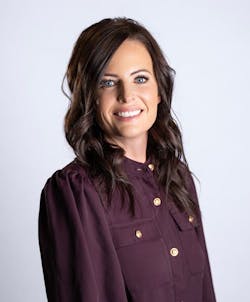
CB: What was your path into the HVACR industry, and what originally drew you to it?
AZ: I had no intention of getting int the HVACR industry. I had watched the struggles my parents had growing a business while I was growing up. However, my dad offered me a job when I graduated college. I accepted and the rest is history. That was 21 years ago!
CB: What skills—technical or non-technical—have been most critical to your success as a leader in this industry?
AZ: I think it has changed over the years. Initially, I relied heavily on my accounting background. And it still has a huge impact on successfully running the business. But as we’ve grown, I’ve had to grow and perfect my ability to communicate with people and navigate the different personalities that come with a larger team.
CB: What are one or two operational decisions you’ve made that had the biggest impact on your company’s growth or profitability?
AZ: Joining Nexstar was by far one of the best decisions we have made. That was roughly seven years ago. One of the more recent ones was moving away from selling technicians. It’s had a huge impact on us.
CB: How do you balance day-to-day operations with long-term strategy in a contracting business?
AZ: This is a constant struggle. A lot of times, it’s dependent on what the company needs in that moment, but it is always easy to get caught in the day-to-day. Learning to lean on my team and delegate more affords me the opportunity to focus on long-term strategies.
CB: What were some of the biggest challenges you faced in your leadership role, and how did you overcome them?
AZ: I mentioned it early, but learning to navigate team members and their different views and perspectives, and ultimately trying to gain alignment when our perspective differs.
CB: Have you encountered skepticism or bias in the industry, and how do you handle it professionally?
AZ: Honestly, nothing that really stands out, but I generally also don’t subscribe to that nonsense. Sure, there have been snide comments here or there, but I know what I’m capable of and don’t let that bother me.
CB: What progress have you seen for women entering the trades or leadership roles in recent years?
AZ: It’s been huge! We have a strong team of women leaders at my company. We have women going through our HVAC academy. I love to see it!
CB: What still needs to change to make HVACR more attractive and accessible to women?
AZ: We need to continue to spread the word that there is a large plethora of jobs in the HVACR industry that are extremely rewarding.
CB: Looking ahead five years, what do you see as the biggest opportunities—and risks—for HVAC contracting businesses?
AZ: I am a big believer in AI and its ability to make our lives and jobs more efficient. I do wonder what the balance is between AI and real interaction. I wonder what the tipping point is for the customer. I believe this to be both a risk and an opportunity.
CB: What’s the funniest or most unusual team tradition you’ve ever had?
AZ: I’m not sure if I would say it is a team tradition, but when our plumbing department has a large revenue day, our Plumbing Manager re-creates past historical speeches based around plumbing and delivers them in full character at our Daily Huddle. You can’t help but laugh so hard your belly hurts.
CB: If your team had a spirit animal, what would it be?
AZ: I was stumped on this questions so I asked Chat GPT what it thought based on the interactions we have had. Here’s that it gave me:
Your company’s spirit animal is the beaver—the quiet engineer of the wild.
It doesn’t rely on brute force; it builds systems that make the environment work in its favor.
Like a beaver building a dam, you focus on structure, process, and long-term stability so chaos has nowhere to go.
I liked that and feel like it’s spot on….
About the Author
 Nicole Krawcke
Nicole Krawcke
Nicole Krawcke is the Editor-in-Chief of Contracting Business magazine. With over 10 years of B2B media experience across HVAC, plumbing, and mechanical markets, she has expertise in content creation, digital strategies, and project management. Nicole has more than 15 years of writing and editing experience and holds a bachelor’s degree in Journalism from Michigan State University.