How HVAC Contractors Can Guide Homeowners Beyond the Quick Fix
Key Highlights
- Technicians should view HVAC systems as interconnected units, assessing overall health rather than isolated components.
- System age, repair costs, and efficiency decline are key factors in determining whether to repair or replace.
- Building trust through honest, clear communication enhances customer loyalty and supports business profitability.
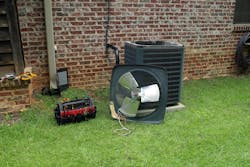
The residential HVAC market has seen a clear shift in recent years: more homeowners are choosing to repair rather than replace their systems. It’s an understandable reaction in a time when costs are top of mind, but it’s not always the most cost-effective decision in the long run.
This means the technician's role has never been more critical—not just in fixing what’s broken, but in educating customers about the full picture of system health to help them make the best choice for their home.
At times, a repair may seem like the cheaper option today, but the real savings come from understanding a system's lifetime cost. Helping homeowners move from a temporary-solution mindset to planning for the future begins with the right approach in the home, led by knowledgeable, transparent, and well-prepared technicians.
The Technician Mindset: Systems, Not Components
Every conversation about repair versus replacement starts with the technician’s perspective. The best HVAC professionals know that a heating and cooling system isn’t just a collection of parts, but a connected home comfort system. When a blower motor or compressor fails, it’s rarely an isolated issue. The question isn’t just if the part can be fixed, but how the repair will impact the system’s overall performance and longevity.
A $400 repair might seem like an easy win in the short term, but it can become a costly pattern if the rest of the system is aging or inefficient. That’s why most manufacturers and leading contractors now use “repair versus replace” worksheets, and these tools help quantify how much it really costs to keep an old system running. These worksheets can show homeowners the projected costs of recurring repairs and higher utility bills, compared with the efficiency gains and reliability of a new unit.
When technicians use these tools in real time, it transforms the conversation. It’s no longer about selling a new system; it’s about showing the customer what makes financial sense over the life of their home.
When to Repair, When to Replace
So when is it truly the right time to repair, and when is it time to replace? The answer depends on the age of the system, the cost of the repair, and how efficiently the system operates.
If a system is under ten years old and the repair is minor, it’s often smart to fix it. But once a system passes the 12-year mark—or when a repair costs more than 30-40% of a new system's price—replacement becomes the better investment. That’s also when energy efficiency starts to decline sharply, meaning utility costs rise while reliability drops.
Simply put, it’s not just about the cost of a single repair; it’s about the total cost of ownership. A system that’s limping along might need repeated service calls, becoming more expensive to own than replacing it outright. Worse, waiting too long to replace means paying more when it finally fails. Inflation, labor costs, and equipment prices rarely move in a homeowner’s favor five years down the line.
Financing to Make Replacements More Accessible
Even when homeowners understand the long-term math, the upfront cost of replacement can still feel daunting. That’s why it’s critical for HVAC companies to have strong financing options available. Flexible payment plans make replacement more accessible, allowing customers to choose a higher-quality, more efficient system without financial strain.
By framing replacement as a planned investment instead of an emergency expense, contractors can help customers feel in control—turning what could be a stressful decision into a smart, informed one.
How Technicians Can Help Consumers Make Better Choices
Ultimately, what the consumer decides to do is based heavily on what the technician does in the home. Homeowners rely on their techs for honesty, expertise, and clarity. A technician who explains system efficiency, lifespan, and true repair costs can build trust and drive more sustainable decisions.
For business owners, this trust translates into profitability and customer loyalty. The reality is that 65–70% of an HVAC company’s profit comes from installations, not repairs. So while the market may be shifting toward more repairs, successful contractors know not to lose sight of where the majority of their revenue and reputation are built. Educating customers doesn’t just serve the homeowner, but it also supports the financial health of the business.
As the HVAC industry continues to evolve, the most successful contractors will be those who help customers see beyond the short-term fix. By taking a whole-system approach, offering clear financial comparisons, and providing accessible financing, they can turn repair conversations into replacement opportunities without pressure, just education.
About the Author
 John Conway
John Conway
John Conway is chief operating officer at Redwood Services. For more information, visit redwoodservices.com.