Technology Enables HVAC Contractors to Bid Faster, Work Smarter, Win More
Key Highlights
- Cloud-based estimating platforms offer secure, remote access, automatic updates, and role-based permissions to streamline operations.
- Subscription models provide flexible scaling options, allowing HVAC contractors to add or reduce licenses based on project needs.
- Adopting digital tools helps attract and retain younger technicians who expect modern, tech-enabled work environments.
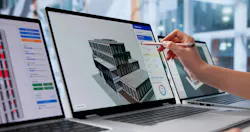
In today’s HVAC realm, staying competitive takes more than strong craftsmanship. It requires smarter ways to win more jobs at the right margins as well as control costs, improve efficiency, and adapt to a rapidly changing workforce. With tighter margins, rising material prices, and ongoing labor shortages, HVAC contractors are increasingly turning to technology as a practical tool for growth and long-term success.
Specialized estimating and takeoff software, in particular, are becoming a key advantage. By replacing manual takeoff, spreadsheets, and disconnected workflows with digital tools — many of which are enhanced by AI and automation — HVAC companies can produce faster, more accurate bids while reducing costly errors and wasted time. Subscriptions and cloud-based access lower the barrier to entry, while connected data also streamlines purchasing, inventory, and project coordination, helping owners gain better visibility across operations.
Further, technology plays an important role in recruiting and retaining the next generation of estimators and project managers, who expect digital tools on the job. For HVAC contractors, these technology tools deliver more than speed — they enable owners to run leaner, adapt faster, and keep pace in a demanding market.
With so many options available, it’s easy to feel unsure about which technology will make the biggest difference. Here is a guide to getting started.
AI-Powered HVAC takeoffs
Newer estimating platforms are helping HVAC companies improve accuracy and efficiency through advanced digital takeoff tools. With AI-powered capabilities that can automatically recognize and tally symbols and equipment on construction drawings — such as grilles, diffusers, VAV Boxes, and mechanical units — these solutions eliminate hours of tedious manual counting during the takeoff process.
Many of these systems also include built-in guidance and user-friendly workflows that support faster estimating, reduce costly mistakes, and make it easier for new team members to get up to speed quickly. Using the data captured during takeoff, HVAC contractors can also run value-engineering "what if" scenarios, adjusting materials or design assumptions and instantly updating project costs.
Compared to spreadsheets or traditional methods, this ability to evaluate and present project owners with multiple options in minutes allows HVAC businesses to offer smarter, cost-effective alternatives, and also stand out through expertise and service, not just lower pricing.
Smarter Cloud Tools for HVAC
Many of today’s estimating platforms are built in the cloud, making them easy for HVAC businesses to access from virtually anywhere with an internet connection.
Cloud-based software frees businesses from the cost and IT complexity of maintaining on-site servers. This can often reduce initial investment and ongoing maintenance costs while allowing companies to focus on what they do best — running HVAC operations — instead of managing technology.
Cloud access can also strengthen data security and protection. Estimates and customer information are securely stored and automatically backed up to help guard against ransomware and other disruptions. Updates and new features can be delivered automatically, and user permissions can be tailored by role, so estimators, IT professionals, project managers, and office staff only see the information they need.
Streamlining Workflows With Connected Data
HVAC estimates produce a significant amount of valuable project data, but too often that information stays locked inside the estimating platform instead of supporting the rest of the business. When estimating systems can share data through built-in integrations or APIs, HVAC companies gain greater collaboration, efficiency, accuracy, and visibility across every phase of a job — from bidding through completion.
Many modern solutions connect estimating directly with purchasing, inventory tracking, and accounts payable, creating a more streamlined workflow between field, office and accounting teams. For example, technicians and project leads can quickly check material availability, submit requests, confirm deliveries, and communicate needs in real time. Meanwhile, office staff can manage approvals, issue RFQs, compare supplier quotes, monitor inventory and reconcile invoices — all within one connected system.
Rather than relying on scattered emails, phone calls, or spreadsheets to handle material orders, HVAC contractors can generate precise material lists, track deliveries to the correct jobsite, and trigger invoicing through a centralized platform. Digitizing procurement in this way improves control, reduces delays, and minimizes errors throughout the project lifecycle.
When estimating data flows seamlessly into business tools, like customer management, project tracking, and financial systems, HVAC companies can monitor progress versus plan in near real time, operate with greater agility, make smarter decisions, and ensure critical information is working across the organization instead of sitting in silos.
Tech Subscription Models Keep Contractors Competitive
Subscription-based estimating and technology platforms offer flexibility to HVAC businesses as needs evolve. Contractors can quickly add licenses for new estimators, project managers, or field teams as they grow or during busy seasons, then scale back when workloads slow — only paying for the users and tools they actually need.
Many subscription models also simplify purchasing by combining software, hardware, support, updates, and connectivity into one manageable payment. This shifts technology from a major capital expense into an ongoing operating cost, which supports long-term growth, cost control, and a stronger competitive edge.
Keeping technology up to date is increasingly important for staying competitive in today’s mechanical contracting market. Modern tools can help HVAC companies win more bids, operate more efficiently, and appeal to younger technicians who expect digital solutions on the job.
Getting Started
HVAC contractors are increasingly turning to modern technology to control costs, improve efficiency, and stay competitive in a challenging market. Today’s estimating platforms use AI-powered digital takeoff tools to speed up bidding, reduce manual work, and minimize costly errors. Cloud-based systems make it easier to access estimates from anywhere while improving security, automatic update capabilities, and role-based permissions. Connected workflows also streamline purchasing, inventory, and accounting, giving business owners better visibility across operations. Subscription-based models provide flexibility to scale tools as teams grow or workloads shift. For HVAC business owners, now is the time to explore these solutions and take the first step toward running a smarter, more agile operation.
About the Author
 Brooke Stewart
Brooke Stewart
Brooke Stewart is director, product management, Trimble construction management solutions. She brings two decades of deep domain experience and a passion for collaborating with contractors to find innovative and practical ways to leverage technology to advance pre-construction workflows.