Leading on Purpose
Key Highlights
- Intentional leadership involves purposeful decision-making in communication, culture, and development to build resilient HVAC organizations.
- Simple acts like personalized recognition and asking employees how they truly feel can significantly improve engagement and retention.
- A culture of deliberate leadership makes HVAC companies more attractive to skilled talent in a competitive market.
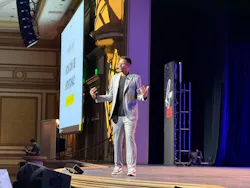
As a trade publication editor, I’ve traveled to countless industry trade shows and conferences and heard probably over 100 keynote addresses at this point. Most of them tend to blur together. As I write this column, however, I’m just getting back from EGIA’s EPIC 2026 event in Las Vegas and hearing from bestselling author and strategic advisor, Ryan Leak.
Leak is the CEO of a leadership development firm in Dallas, and he and his team help train over 30,000 leaders annually. His keynote on intentional leadership resonated not only because of Leak’s engaging delivery and humor, but also the practical tips he offered up to the audience.
In today’s HVAC contracting environment—marked by skilled labor shortages—leadership can no longer be accidental. Intentional leadership means operating with clarity, purpose, and discipline rather than reacting to daily fires. Contractors who lead intentionally don’t just manage jobs—they build resilient organizations designed to grow, adapt, and outperform the competition.
Leak’s presentation discussed ways for HVAC contractors to communicate more clearly and connect more deeply with their teams. One of his suggestions was simply pulling out a cellphone and sending a “Happy Birthday” video to employees. He reasoned that people always get text messages on their birthday, but how many videos do they get?
Another piece of advice Leak offered — one that I really took to heart — was always ask people how they are doing…twice.
“Because we all lie the first time,” Leak said. “Everybody says, ‘good.’ Nobody ever says ‘depressed.’ Nobody ever says, ‘uncontrollable anger issues, how are you?’ Nobody says that. We are programmed to be ‘good,’ even when we are not.”
Who here hasn’t been guilty of just responding with “good” when someone asks how you are doing? I know I have!
Essentially, both of these pieces of advice Leak offered to the audience align with his principle of “doing things we don’t have to do, but that if we did, would set us apart so people would never want to leave.”
It’s a simple idea—but operationalizing it requires intention. What does that actually look like inside an HVAC contracting business? It shows up in the daily decisions leaders make about communication, development, accountability, culture, and how they treat their people.
HVAC contractors can be intentional in a lot of ways, including offering career roadmaps, not just jobs—this way, your business becomes a long-term career destination, not a stepping stone. Other examples involve creating a culture of recognition to celebrate your top performers and wins, prioritizing work-life balance, and sharing success — tie incentives to team goals.
I’ve also heard of a few companies that conduct “stay” interviews, not just exit interviews. They ask the hard questions, like “What would make this the best place you’ve ever worked?” and “What would tempt you to leave?” Retention improves when people feel heard before they disengage with the business.
At its core, this mindset isn’t about doing more for the sake of doing more. It’s about asking:
What would make this company so well-run, so supportive, and so growth-oriented that leaving wouldn’t make sense?
Contractors who consistently act on that question don’t just reduce turnover—they build organizations people commit to for the long haul.
Long story short: your people are your competitive advantage. When owners deliberately invest in culture, communication, career development, and accountability, they create an environment where employees feel valued, supported, and proud of the brand they represent. That kind of workplace doesn’t just reduce recruiting costs and callbacks—it strengthens both employee and customer relationships. In a trade where skilled talent has options, the companies that lead with intention are the ones employees choose to stay with.