ACCA, AHRI Appeal NFPA Ruling on HVAC GFCI Requirements
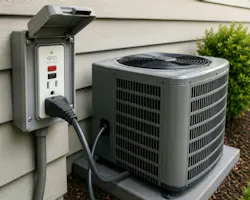
ARLINGTON, Virginia — ACCA and AHRI have filed appeals regarding the National Fire Protection Association's (NFPA) rejection of a proposed extension to outdoor HVAC ground-fault circuit interrupter (GFCI) requirements.
On Sept. 25, ACCA asked the NFPA Standards Council to reconsider the decision and approve Tentative Interim Amendment (TIA) 1924. The proposal would extend an exception to Section 210.8(F) of the National Electrical Code (NEC) through Sept. 1, 2028.
ACCA supports GFCI protection but says additional testing is needed to establish compatibility with HVAC equipment. The organization cited concerns about nuisance tripping, product availability, field enforcement, and the reliability of newer GFCI technology.
Nuisance tripping can cause unintended HVAC shutdowns. ACCA noted that losing cooling during extreme heat can create safety risks, particularly for vulnerable occupants.
The association said the availability of high-frequency (HF) GFCI products represents progress but does not establish compatibility across all affected equipment. It is calling for laboratory and field testing of both inverter-driven and single-stage systems.
According to ACCA, technology designed to address high-frequency leakage associated with inverter systems may not resolve nuisance-tripping issues at 60 hertz. Nor does it demonstrate compatibility across all HVAC equipment covered by Section 210.8(F).
The appeal follows a closely divided vote by National Electrical Code Code-Making Panel 2 (CMP-2), which rejected TIA 1924 on technical merit and emergency grounds. The technical-merit vote was tied at 10-10, falling short of the required approval threshold.
The NEC Correlating Committee approved the proposal on correlation. AHRI also reported that 90% of the 30 public comments submitted on the proposal supported it.
AHRI has filed a separate appeal, raising procedural concerns about how the proposal was handled. ACCA's appeal focuses on technical compatibility, safety, and implementation challenges facing contractors.
Section 210.8(F) has also received different treatment across states and local jurisdictions. Some have modified the requirement, delayed enforcement, or removed it. These differences create varying compliance requirements for contractors working across jurisdictions. Because of this, ACCA launched a GFCI Resource Center for contractors.
ACCA also identified inconsistencies between terminology in the 2026 NEC and the UL 943 product standard. The organization said the code needs to reference protective technology that is available and identifiable under the applicable product standards.
With the previous exception expired, contractors remain subject to the Section 210.8(F) requirement while the appeal proceeds. ACCA has requested a hearing and asked the Standards Council to approve the proposed extension through Sept. 1, 2028.
The association said the requested extension would provide additional time to address equipment compatibility, product standards, code development, and field implementation. It emphasized that the appeal does not oppose GFCI protection as a safety measure.
ACCA said it will continue working with industry stakeholders and providing contractors with updates as the appeals process moves forward.
For more information, visit ACCA’s GFCI Resource Center acca.org/gfci.