HVAC Callbacks Are Inevitable — Here’s How Contractors Can Turn Them Into Wins
Why It Matters
- Callbacks consume valuable technician hours that could otherwise be spent on revenue-generating service calls, making callback reduction a direct business priority.
- Tracking the reasons behind callbacks can help contractors identify recurring problems, whether they stem from communication gaps, installation mistakes, customer misunderstandings or other issues.
- A structured callback recovery process — including fast scheduling, empathy, and taking ownership — can turn a frustrated customer into a loyal customer and potentially generate positive reviews.
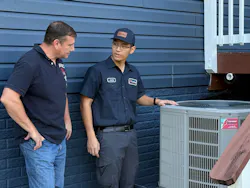
Ringing phones are a beautiful sound for a service business. Yet the joy of the sound disappears when the subject is a callback. What can HVAC business owners do to minimize callbacks? And when they inevitably occur, how can companies change the customer’s tune? Callbacks are unwelcome, but when they’re handled properly, they can turn an unhappy customer into a loyal one and provide a learning opportunity for technicians.
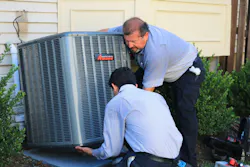
The Need to Reduce Callbacks
“Every callback is a demand call you’re not running, and it has the potential to tarnish your company’s reputation,” says Johnny Baker, general manager of Leonard Splaine Co., a third-generation, family-owned company serving Northern Virginia since 1956.
In addition to draining resources, callbacks are time-consuming.
“There are only so many hours in a day, and if we don’t capitalize because we’re going on callbacks, we’re stealing from ourselves,” says Mark Paup, president of Golden Rule, which serves Des Moines, Omaha, and the Salt Lake City metro area.
Therefore, companies can and do track callbacks as part of their effort to minimize them. Tracking callbacks has helped contractors identify why they occur.
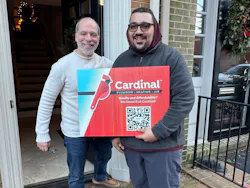
Cardinal Plumbing Heating & Air, which was founded in 2013 in Northern Virginia by two master plumbers who later added HVAC to their list of services, has found that one of the major reasons for callbacks is a lack of communication.
“The average tech doesn’t start off as a great communicator, but instead is passionate about troubleshooting, diagnosing, and solving the problem,” says Cardinal Operations Manager Patrick Garner. “Due to that passion, technicians can get blinders on and focus on solving the initial issue, not always the larger contributing factors at hand or finding out what's truly important to the customer.”
Baker also cites communication as a key reason for callbacks. “Some techs, especially those for whom English is a second language, have a fear of miscommunicating or lack the confidence to show off their work.”
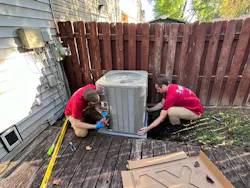
Taking Steps to Reduce Callbacks
No one realistically expects to eliminate callbacks altogether. However, by reducing them as much as possible, companies can claw back hours for revenue-generating work.
At Golden Rule, Paup and his team recognized that many callbacks result from customer misunderstandings about new equipment. “We’ve built out a series of videos that explain the system to our customers.” The videos are shared with the customers after the job is completed. “We hope the videos will reduce this type of callback by 90%, while the remainder will be those uncomfortable with technology and just want someone to come out.”
Cardinal recently held a three-day training event focused extensively on communication. “We have amazing techs, but our customers didn’t go to customer school, so they may not know what they want or need,” Garner says. “Our training focused on how to talk to a customer from A-Z, including how to communicate to them not only what the initial, immediate issue is, but also any underlying concerns or enhancements.
In spring 2026, the Air Conditioning Contractors of America (ACCA) created an install checklist. “We built out the checklist, gave it to our techs, and encouraged them to check it each time they do an install,” Baker says. “If they do it, we can get data to use as a training opportunity.”
Unfortunately, not every callback is preventable. Many are due to manufacturer errors that are beyond the contractor’s control. When callbacks result from technician error, however, contractors can use them to prevent similar mistakes in the future.
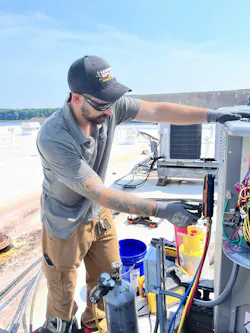
“A serious tech wants feedback, because they want to be better,” Paup says. The company takes steps to help techs avoid errors and learn from experts. Techs can FaceTime with a tech advisor to help them diagnose a problem and verify findings.
Baker and the team at Leonard Splaine Co do a post-mortem on callbacks. For preventable callbacks, they discuss them at weekly meetings with the service teams, and review how they can prevent them in the future.
Learning from mistakes also requires an environment where techs are encouraged to admit uncertainty.
“Some companies scare guys so the techs are afraid to admit they need help, but we encourage them to say something if they don’t know something,” Garner says. “You have to train techs and give them an opportunity to learn from their mistakes.”

Turning a Callback into a Win
It’s easy to be frustrated when callbacks occur since they are a drag on business. This is especially true when they aren't due to an error by the HVAC company. However, a callback is a second opportunity to make things right and develop a good relationship with a customer.
The first step in handling a callback is empathy.
“No one likes having to make a service call, so if a customer has to do it again, they’re annoyed,” Garner says. “They’re likely pissed and wondering why no one understands my issue.”
Therefore, it’s important to address the callback pronto.
At Golden Rule, they strive to book callbacks the same day as the call and are successful 90% of the time. The remaining 10% are typically calls that came in at the end of the day.
“As soon as the call comes in, it goes through our customer recovery process, Paup says. “The customer service rep asks some routine questions and then escalates the call to a manager who documents the issue and books the callback without leaving the customer on hold.”
To best address the callback, it’s important to take ownership.
Leonard Splaine lists extreme ownership as a core value. “We know things happen that are outside of our control, but we don’t point fingers and instead take ownership,” Baker says. That includes prioritizing customer scheduling and doing whatever it takes to fix the issue as soon as possible.
The determination to handle the issue even if it costs the company money has helped Leonard Splaine create raving fans (the name of a book about customer service). “It’s just as important to get five-star reviews when something went wrong, because customers see you care and that they are the priority,” Baker says.
In addition to taking responsibility and handling the problem, Golden Rule puts a financial incentive directly in the customer's hands. Every technician works from a standard checklist — the steps that are supposed to happen on every call. Through the company's mystery shopper program, customers are invited to grade the visit against that same checklist. If a step was missed, the customer gets paid for catching it.
“The payout matters less than what it signals,” Paup says. “Rather than asking the homeowner to take the company's word that things were done right, they can see for themselves. It also surfaces problems early as a missed step gets reported by a satisfied customer collecting a small reward, not by an angry one three weeks later.”
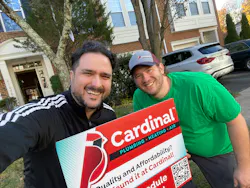
Garner focuses on direct, proactive communication. He’ll say, “I’m sorry, let’s make it better.” He adds, “The intent of me saying that is that anybody can execute a job when things are going perfectly, but what about when the project goes sideways? What I'm excited about is how Cardinal is able to show customers how it performs when things aren't perfect, when the jobs are overly complicated, and when curveballs are thrown at people.”
Reducing callbacks is always a priority for service businesses. When HVAC companies reduce callbacks, they have more time for revenue-generating work. But callbacks that do occur can also create opportunities to learn, improve, and strengthen customer relationships. By answering quickly and addressing the issue, HVAC companies can turn an unwelcome call into a win.
About the Author
Larry Bernstein
Larry Bernstein is a freelance writer based in northern New Jersey. He specializes in construction technology; education technology; and transportation, logistics, and supply chain.