Heat Pumps Could Lower Electricity Rates, RMI Report Finds
Key Facts
- Approximately three out of four U.S. homes could install heat pumps within available winter grid capacity, according to RMI's modeling.
- A strategy combining all-electric and hybrid heat pumps could support approximately 86 million additional installations.
- In states with winter grid capacity available, this deployment could reduce residential electricity rates by an average of 13%, or approximately $200 annually per customer.
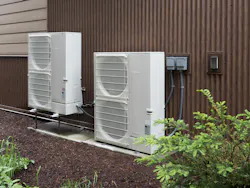
BASALT, Colorado — Strategic heat pump adoption could improve electric grid utilization, reduce greenhouse gas emissions, and put downward pressure on residential electricity rates, according to a new report from RMI.
The report examines how residential heat pumps could use available winter electricity generation capacity. Its analysis finds that approximately 109 million U.S. homes could heat and cool with heat pumps within existing winter grid capacity.
That represents approximately 86 million additional homes beyond the 23 million with heat pumps today. The deployment strategy would combine all-electric and hybrid heat pump systems based on regional grid conditions.
RMI estimates that an all-electric and hybrid deployment strategy could reduce residential electricity rates by an average of 13% in states with available winter grid capacity. The estimated savings total $15.6 billion annually, or approximately $200 per customer.
An all-electric-only strategy could reduce rates by an average of 6% in those states. RMI estimates annual savings of $6.7 billion, or $86 per customer.
The report identifies the Upper Midwest as a region with significant winter grid capacity. Michigan, for example, has approximately 7.6 gigawatts of winter headroom.
RMI estimates that Michigan could accommodate additional heat pumps in 3.6 million homes through a mix of all-electric and hybrid systems. That deployment could put downward pressure on residential electricity rates by approximately 27%.
The report also finds that hybrid heat pumps could expand adoption in colder states. These systems pair an electric heat pump with an existing fossil fuel furnace or boiler. The heat pump handles most annual heating demand, while the existing system operates during the coldest hours.
The analysis also identifies differences among regional electricity systems. Many states in the Southwest, Upper Midwest and Northeast have substantial winter grid capacity because electricity demand typically peaks during summer.
In contrast, several states in the Southeast and Pacific Northwest have less available winter capacity. Widespread electric resistance heating contributes to higher winter electricity demand in those regions.
RMI emphasizes that its findings are directional estimates based on today's grid conditions. Actual opportunities will vary by state and utility. Local distribution systems may also require upgrades to support additional heat pump installations.
The report recommends aligning heat pump deployment with regional grid conditions. Its policy recommendations include revising incentives, adjusting electricity rates to reflect seasonal system costs, and encouraging heat pump installations when existing air conditioners reach replacement age.
For HVAC contractors, the findings highlight the importance of matching heat pump configurations to local conditions. All-electric and hybrid systems could play different roles in expanding adoption, particularly in colder climates.
The report also notes that future electricity demand from data centers, electric vehicles, and commercial building electrification could change available grid capacity.